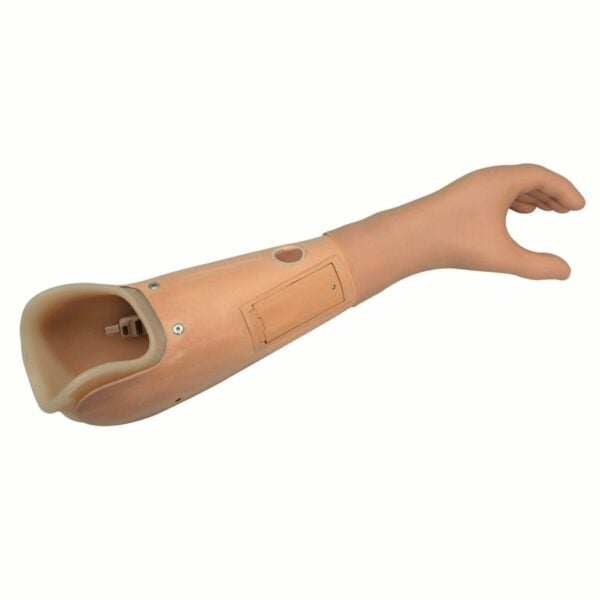
When stepping into a new lifestyle after an amputation operation, the question of how to choose a prosthetic clinic forms the most critical stage of the process. Regaining physical independence, returning to daily activities smoothly, and adapting psychologically are directly related to the technical capacity of the clinic and the approach of its expert staff. …
When stepping into a new lifestyle after an amputation operation, the question of how to choose a prosthetic clinic forms the most critical stage of the process. Regaining physical independence, returning to daily activities smoothly, and adapting psychologically are directly related to the technical capacity of the clinic and the approach of its expert staff. In this comprehensive guide, we discuss the essential criteria you should evaluate when consulting with a center.
Table of Contents
ToggleProsthetist qualifications and experience
The professional competence of the team that will take part in the clinical evaluation stage directly determines the success of the device to be produced. Specialized staff analyze the individual’s muscle strength, range of motion, and residual limb structure in detail. Experienced clinicians make the most accurate planning by considering the person’s expectations and lifestyle.
In addition, it is of great importance that the staff receives continuous training, follows current sector developments, and acts with a multidisciplinary approach. Centers working in coordination with physiotherapists and orthopedists handle the patient’s clinical condition from a holistic perspective.
Clinical History and Certifications
The results previously achieved by the clinic in similar cases and its competence documents are the most fundamental indicators of reliability. Official certifications and professional qualifications prove that the team provides services in accordance with international standards. At this stage, it is best to examine the clinic’s past practices and question the educational background of the experts.
You can review our documents page to get information about the institution’s official authorization documents and past references. A reliable center does not hesitate to transparently share all its qualification documents and expertise certificates with its patients.
Multidisciplinary Approach and Evaluation
Centers that not only produce devices but also monitor the individual’s general health status should be preferred. Adaptation problems that may occur in the post-surgical period are minimized through the joint work of the expert staff. Working with a conscious team regarding the considerations before and after amputation surgery increases the rate of recovery during this process.
During the clinical evaluation, the patient’s general muscle tone, walking, or gripping habits are subjected to detailed tests. Thus, the most appropriate configuration tailored to the person is determined, and potential fitting problems are prevented.
Fitting trials and measurement process
The success of custom-made devices depends on the precision of the measurements taken and the meticulous execution of the trial stages. Since the residual limb structure may change over time, the technologies used during the measurement stage must be up to date. Using digital scanning systems alongside traditional methods directly facilitates the adaptation process.
Trial sessions are the critical phase where the user first comes into contact with the new device and achieves adaptation. Thanks to the fittings made during this process, potential pressure points or areas that may cause pain are identified in advance, and necessary adjustments are implemented quickly.
Precise Measurement Techniques
Even the slightest mistake made during the measuring stage can lead to severe discomfort during use. Choosing the correct methods, especially in lower extremity applications, is of critical importance to protect skin health. In this context, choosing a silicone liner for below-knee prostheses both increases comfort and ensures safe use throughout the day.
Experts choose the most appropriate measurement technique by taking into account the patient’s skin sensitivity and the amount of soft tissue on the residual limb. Combining digital and manual measurement methods minimizes the margin of error.
Fittings and Temporary Device Phase
Temporary fittings performed before the actual device is produced serve as a bridge for the user to get used to the new routine. The answer to the question of why a prosthetic leg socket causes pain, which may arise during this stage, is eliminated with revisions made during fittings.
Walking or gripping trials made with temporary devices help develop the user’s muscle memory. During this process, experts make necessary millimeter adjustments in the socket form by taking the patient’s feedback into account.
Component selection
The quality of the mechanical or electronic parts to be used directly affects the durability of the device and the user’s freedom of movement. The most accurate hardware combination should be created by considering the intensity of daily life activities, the person’s profession, and age. Low-quality components both lead to premature breakdowns and jeopardize user safety.
The variety of alternatives offered by centers is a great advantage in terms of finding the solution that best suits the patient’s budget and needs. The function of each part should be explained in detail to the user with transparent information.
Determining Hardware According to Needs
Each user’s level of physical activity is different from one another; therefore, a standard part may not be suitable for everyone. The hardware requirements of individuals living an active lifestyle and those preferring a quieter routine at home diverge.
When choosing a center, attention should be paid to whether different alternatives on the market are presented impartially to the patient. Experts list the most accurate mechanical or electronic parts based on the person’s daily step count, center of gravity, and balance ability.
Durability and Warranty Conditions
The longevity of selected components is directly related to regular maintenance. Quality materials make the user’s life easier by maintaining their performance even under heavy use conditions.
Warranty processes and the guarantees provided by the center in case of possible part replacements are a critical criterion for long-term satisfaction. Users must obtain detailed information about the maintenance intervals of the device and the support provided in case of possible malfunctions.
Rehabilitation support
Owning a new device is not enough on its own; the real process begins with learning how to move in harmony with the device. Centers that do not offer rehabilitation support cause the user to remain alone during the adaptation process. Studies conducted under the guidance of professional physiotherapy ensure increased muscle strength and overcoming balance problems.
During the training process, basic movements such as correct walking techniques, going up and down stairs, sitting down, and getting up are practiced. Thus, the user learns to use the device safely as a part of their own body.
The Importance of Physiotherapy and Adaptation Process
Weaknesses and imbalances developing in muscles after amputation are eliminated with professional exercise programs. Although how long the adaptation period will last varies according to individual differences, the review on how long it takes to get used to prosthetic legs will be a guide for curious details.
Studies conducted with the accompaniment of physiotherapists prevent posture disorders and protect spine health. Regular exercises minimize the risk of falling by facilitating the control of the device.
Indoor and Social Life Adaptation Practices
Rehabilitation should not be limited to the clinical environment; it should also support the return to social life. Walking on uneven surfaces, using public transport, and the ability to do daily housework are gained during this process.
Supportive centers contribute to preparing the patient psychologically for the process as well. Regaining self-confidence is one of the most important elements accelerating the process of integration with the device.
Technical service and follow-up
Devices may wear out over time or require mechanical adjustments. A reliable center must stand behind its patient after the sale and provide uninterrupted technical support. Rapid intervention capacity prevents the user’s daily life from being disrupted.
Periodic maintenance services ensure that potential malfunctions are prevented before they grow. The workshop infrastructure, which includes expert technicians, allows repair and maintenance procedures to be completed in a short time.
Periodic Maintenance and Repair Capacity
It is essential for the device to undergo checks at certain intervals to work smoothly for many years. Disrupting maintenance processes both shortens the life of the device and can victimize the user by causing sudden malfunctions.
The technical workshop equipment of the center, spare parts availability, and repair time should be questioned in advance. Technical services producing fast and permanent solutions directly increase the quality of life of users.
User Tracking Systems
Quality service understanding includes regular checks that continue even after the device is delivered. The user’s satisfaction, possible complaints, and changes in residual limb health should be monitored periodically.
Thanks to this tracking mechanism, irritations or pressure sores that may occur on the skin are noticed early and intervened quickly. Regular communication strengthens the bond of trust between the patient and the clinic.
Transparent communication
Open and honest communication between the patient and the clinic is one of the cornerstones of a successful process. Details of the treatment plan, costs, potential risks, and what may be experienced throughout the process should be shared clearly from the very beginning. Information that leaves no room for question marks ensures the user feels safe.
Professional institutions avoid misleading guidance by establishing patients’ expectations on a realistic ground. The active participation of the patient in decision-making processes is encouraged.
Cost and Financial Processes
Centers providing transparent information regarding device costs and government supports, if any, should be preferred. Providing accurate guidance on legal allowances and reimbursement conditions makes it easier for patients to make financial planning.
In this context, guide-like information regarding current regulations on prosthesis payments forms an important reference source in budget planning.
Realistic Expectations and Counseling
No center should create unrealistic expectations by promising the patient a miraculous and effortless process. It should be clearly stated that adaptation will take time, require effort, and require patience.
Clinics offering transparent counseling services keep the patient’s morale and motivation high while ensuring they are prepared for potential difficulties. Honesty is always a priority for reliable cooperation.
Frequently Asked Questions
First, the education level, professional experience, and past successful case references of the center’s expert staff should be examined. Competent clinicians in their field are your greatest guarantee in determining the device most suitable for your physical condition.
Taking precise measurements and completing fittings flawlessly ensure that the device fits the residual limb perfectly and prevents pain formation. Measurements not made correctly create discomfort throughout the day.
Centers that do not offer rehabilitation support may cause you to remain alone during the adaptation process and fail to use the device efficiently. Professional physiotherapy support is mandatory for the success of the process.
Fast technical service is essential for mechanical malfunctions or maintenance needs that may arise over time. Centers with strong workshop infrastructure prevent your daily life from being disrupted.
Reliable centers provide transparent information about your legal rights and current reimbursement conditions. Clearly explaining financial processes facilitates your budget planning.
In the first meeting, you need to question the expert’s experience, component brands used, and warranty conditions. You can also request the clinic’s references from previous similar cases.