Unexpected accidents, industrial injuries, or traffic accidents occurring in the flow of life can lead to permanent anatomical changes in the human body. As one of the most severe consequences of these serious traumas, traumatic amputation is the complete detachment of a limb during or immediately after an accident due to severe physical impact, or …
Unexpected accidents, industrial injuries, or traffic accidents occurring in the flow of life can lead to permanent anatomical changes in the human body. As one of the most severe consequences of these serious traumas, traumatic amputation is the complete detachment of a limb during or immediately after an accident due to severe physical impact, or damage so severe that it cannot be surgically saved. This process triggers not only a physical loss but also a multidisciplinary rehabilitation process that deeply shakes an individual’s psychological, social, and professional life.
The first hours are of vital importance for individuals who have experienced accident limb loss and their relatives. Proper emergency intervention directly affects the success of future prosthetic applications, in addition to saving lives. In this article, starting from the medical definition of traumatic amputation, we will examine in detail the emergency intervention steps, surgical processes, residual limb healing, and preparation stages carried out in prosthetic centers.
Table of Contents
ToggleWhat is traumatic amputation?
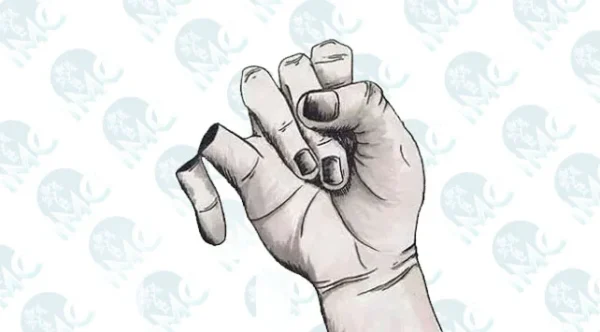
Traumatic amputation is a medical emergency that occurs with the sudden detachment of a part of the body (arm, leg, hand, foot, finger) or its crushing to the extent of completely losing its function under the influence of external mechanical forces. Unlike planned surgical amputations, this situation occurs at a completely unpredictable moment and causes irregular, fragmented damage to tissues, bones, and vascular structures.
Common causes
The factors behind traumatic amputation cases are generally high-energy accidents and uncontrollable external factors. In the modern world, the areas where such injuries are most common are industrial production facilities, traffic flow, and agricultural activities.
What happens in the emergency period?
The process from the moment of the accident to arrival at the hospital and the initial intervention in the emergency room is of vital importance in traumatic amputation cases. The application of correct protocols prevents deaths due to blood loss and facilitates the work of the surgical team.
Surgery and residual limb
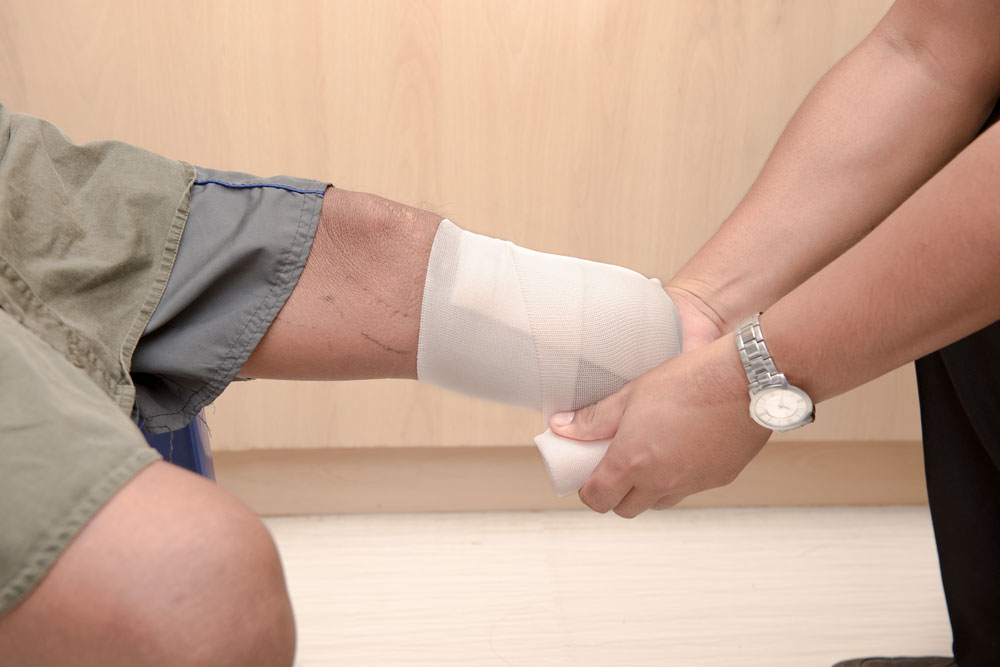
Traumatic amputation surgery is not just the cutting of the remaining tissue, but the art of creating the most appropriate anatomical structure (residual limb) that will provide successful prosthetic use in the future.
Recovery differences
There are distinct differences in terms of recovery processes between planned surgical amputations and traumatic amputations. While tissues are cut healthily in planned operations, shock and crushing are at the forefront in traumatic cases.
Transition to the prosthetic process
After the residual limb has completely healed and its volume has become stable, the stage of determining appropriate prosthetic systems begins so that the individual can return to daily life independently.
Frequently Asked Questions
Traumatic amputation is the sudden detachment of a limb or its crushing beyond rescue as a result of accidents or severe injuries. While planned amputations are performed in a controlled manner for medical reasons, traumatic ones occur completely unexpectedly with high tissue damage.
The severed part should be wrapped in a clean and dry cloth, placed in a waterproof bag, and placed in another container containing ice water. The part should never be brought into direct contact with ice, otherwise, tissue cells will freeze and be damaged.
Almost every traumatic amputation patient whose general health status is favorable and whose residual limb structure is found suitable is a candidate for a prosthesis. The patient’s age, muscle strength, and daily living activities are evaluated by experts to select the most appropriate prosthesis type.
Phantom pain is the condition of feeling as if the lost limb is still in place and feeling pain or burning in this phantom area. This pain of neurological origin can be controlled with multidisciplinary approaches, drug treatments, and special rehabilitation methods.
While the closure of the residual limb wound and the reduction of edema usually take a few weeks, full maturation and stabilization of volume can take months. At the end of this process, custom socket and prosthetic applications are performed for the patient to initiate the rehabilitation process.
Individuals who experience accident limb loss have disability rights, disability reports, and compensation rights. You can also get support from relevant experts and legal advisors to learn your legal rights during this process.