Last updated: October 2026 In brief: A prosthetic toe is a custom-made medical silicone replacement for one or several missing toes. It restores the look of the foot, fills the front of the shoe and, in suitable designs, supports balance and push-off while walking. Larger losses (the whole forefoot or part of the foot) are …
Last updated: October 2026
In brief: A prosthetic toe is a custom-made medical silicone replacement for one or several missing toes. It restores the look of the foot, fills the front of the shoe and, in suitable designs, supports balance and push-off while walking. Larger losses (the whole forefoot or part of the foot) are covered with partial-foot silicone prostheses.
This guide explains who a toe prosthesis is for, the main types, how it is made and attached, how to care for it and what to expect with insurance.
Table of Contents
ToggleWhat Is a Prosthetic Toe?
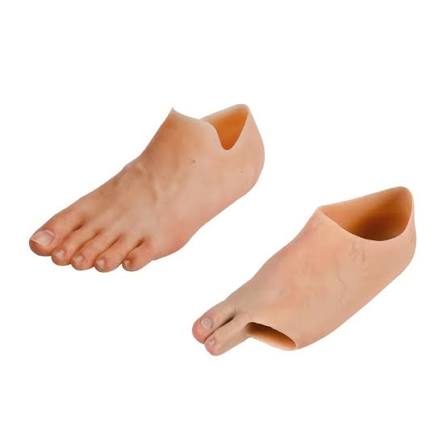
A prosthetic toe is made from medical-grade silicone, individually shaped and colored to match your own foot. It can replace a single toe, several toes or all the toes of the forefoot. Most toe prostheses are passive: they do not move on their own, but they complete the appearance of the foot, keep the front of the shoe filled and can help the foot feel more balanced when you walk.
Toe loss can follow an accident or workplace injury, frostbite, infection, vascular disease or diabetes-related amputation once the wound has healed, and some people are born without toes. The right solution depends on how much of the foot is missing and how the remaining foot moves.
Types of Prosthetic Toe and Partial-Foot Prostheses
| Level of loss | What is replaced | Typical solution |
|---|---|---|
| One or several toes | Single toe (including the big toe) or a few toes | Custom silicone toe prosthesis, shaped and colored to match the other toes and nails. |
| All toes / forefoot | The whole front of the foot (for example after a transmetatarsal amputation) | Silicone forefoot (partial-foot) prosthesis that fills the shoe and supports push-off. |
| Partial foot | Larger parts of the foot (for example at Chopart, Boyd or Pirogoff levels) | Silicone partial-foot prosthesis; some designs are reinforced with a carbon plate for stiffness. |
The table is a general guide; the suitable design is decided after an examination and measurement.
Big Toe or Smaller Toes: Does It Make a Difference?
Yes. The big toe plays a larger role in push-off and balance than the smaller toes, so losing it can change how you walk. A big-toe prosthesis is therefore designed with the shoe, the remaining foot and your walking in mind. Losing smaller toes usually affects appearance and shoe fit more than gait, and a well-made prosthesis can help the remaining toes stay in a comfortable position inside the shoe.
How Is a Silicone Toe Prosthesis Made?
- Evaluation and measurement. Your foot, the condition of the skin and your shoes and daily activities are assessed, and measurements are taken.
- Impression and test fitting. A custom mold is prepared from your foot or the matching reference foot, and a test prosthesis is tried and adjusted.
- Color matching and detailing. Skin tone, veins, freckles, skin texture and nail details are matched in natural daylight.
- Fitting and care training. The prosthesis is fitted, checked inside your shoe and you are shown how to put it on, take it off and care for it.
The time needed depends on the number of toes, the level of detail and the number of fittings. We give an estimated timeline at the measurement visit.
How Does It Stay in Place and Fit in a Shoe?
Toe and partial-foot prostheses mostly stay in place through a close fit to the residual foot and friction. In some cases a skin-safe adhesive is used. The prosthesis is checked inside your own shoe, because shoe type, sock thickness and the amount of room in the toe box all affect comfort. Some people need a roomier shoe or a small insole adjustment; we assess this during fitting.
Because the foot swells during the day and changes with weight and activity, the fit may need adjustment over time. Tell us if you feel pressure, rubbing or looseness.
Care, Skin Checks and Lifespan
- Clean the prosthesis gently with lukewarm water and mild soap, rinse well and dry it. Avoid solvents, sharp objects, high heat and long direct sun.
- Check the skin of your foot every day. Redness, blisters, sores or swelling mean you should stop wearing the prosthesis and contact your prosthetic center or doctor.
- If you have diabetes or reduced sensation, daily foot checks and a doctor’s approval before wearing any foot prosthesis are especially important. See our guide to diabetic foot ulcers and preventing amputation.
- Silicone can change in surface and color over time. Lifespan depends on how much you use the prosthesis and how it is cared for, and replacement is planned when needed.
Insurance and International Patients
Turkey’s social security institution (SGK) lists silicone partial-foot prostheses and Chopart/Boyd/Pirogoff prostheses for people insured within Turkey’s general health insurance system, subject to conditions and a medical board report. Individual toe prostheses do not have a separate item in SGK’s prosthesis lists, so reimbursement cannot be promised; ask us about your situation. International patients who are not insured in Turkey usually pay privately; check cover with your own insurer before treatment.
If you live abroad, our team makes scheduled visits to several countries and also receives patients in Istanbul. Read how it works in the international service section of our silicone prosthesis page, and see silicone prosthesis cost in Turkey for what affects the price.
Frequently Asked Questions
What is a prosthetic toe?
A prosthetic toe is a custom-made medical silicone replacement for one or several missing toes. It restores the appearance of the foot, fills the front of the shoe and, in suitable designs, supports balance and push-off. Most are passive and do not move on their own.
Can a prosthetic toe replace a big toe?
Yes. A big-toe prosthesis is made to match your other foot and is designed together with your shoe and the way you walk, because the big toe contributes more to push-off and balance than the smaller toes.
Will a toe prosthesis help me walk better?
It can help the foot feel more balanced and complete, and a forefoot or partial-foot prosthesis can support push-off. How much it helps depends on how many toes or how much of the foot is missing, your walking and the design. It is not a replacement for medical treatment.
Can I wear normal shoes with a toe prosthesis?
Many people can wear ordinary shoes. The prosthesis is checked inside your own shoe during fitting. Some people need a slightly roomier toe box or a small insole adjustment for comfort.
How long does it take to make a silicone toe prosthesis?
It depends on the number of toes, the level of detail, the color-matching work and the number of fittings. We give an estimated timeline at the measurement visit.
Is it painful to wear?
A well-fitting prosthesis should not cause pain. Pressure, rubbing, redness or sores mean the fit needs adjusting, so stop wearing it and contact us or your doctor.
Can I shower or swim with it?
Silicone itself tolerates contact with water, but the attachment method (for example adhesive) and the coloring can be affected by water, soap, sun and chemicals. Follow the instructions you receive at delivery and ask us about water use.
How long does a toe prosthesis last?
It depends on how much you use it, how it is cared for and changes in your foot and skin. The surface and color can change over time, and replacement is planned when needed.
Can people with diabetes use a toe prosthesis?
Possibly, but only with your doctor’s approval and when the wound has healed. Daily foot checks are essential, and any redness, sore or swelling means you should stop wearing the prosthesis and see your doctor.
Does insurance cover prosthetic toes?
SGK, Turkey’s social security institution, lists silicone partial-foot and Chopart/Boyd/Pirogoff prostheses for people insured in Turkey, subject to conditions and a medical board report, but individual toe prostheses have no separate item in its lists. International patients usually pay privately, and cover from your own insurer varies by country and policy.
How much does a prosthetic toe cost?
The cost depends on the number of toes or the size of the partial-foot prosthesis, the level of detail, the attachment method, the color-matching work and your anatomy. A clear price can only be given after an assessment.
References
This article is for general information and is not medical advice, diagnosis or treatment. If your symptoms continue or get worse, see a doctor; in an emergency, call your local emergency number.