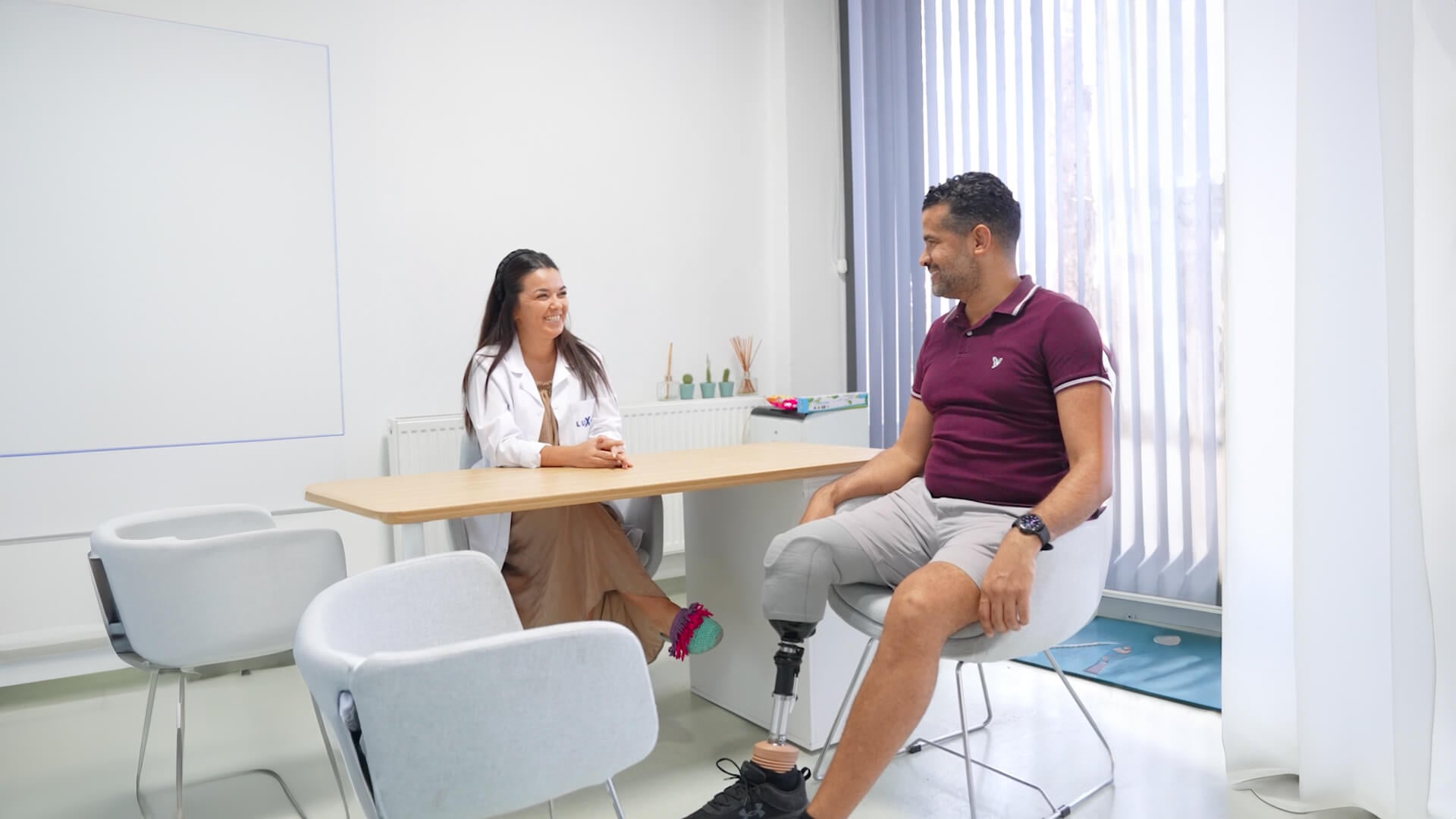
Amputation surgery is the surgical removal of part or all of an arm or leg due to various reasons.
Amputation surgery is a medical procedure in which part or all of a person’s arm or leg is surgically removed due to various reasons. Individuals who will undergo this type of surgery need to consider several important steps before and after the operation. However, first, let’s explain in bullet points why a person may need an arm or leg amputation.
Why Is Amputation Performed?
- Severe trauma: Situations such as traffic accidents, workplace accidents, or falls from height where the limb is irreversibly damaged.
- Advanced infections: Serious infections that cannot be controlled and lead to tissue death (such as gangrene).
- Circulatory disorders: Conditions such as diabetes or vascular blockage that prevent sufficient blood flow to the limb.
- Tumors: Removal of the limb to prevent the spread of bone or soft tissue cancers.
- Congenital abnormalities: Birth defects that severely affect the function of the limb.
- Severe burns: Deep burn injuries that cause extensive tissue loss.
- Nerve and tissue loss: Cases where the limb has completely lost its function.
Table of Contents
ToggleWhy Is Amputation Surgery Performed?
Amputation surgery is generally performed due to serious injury, disease, workplace accidents, or congenital conditions. The reasons for amputation may include:- Trauma: Severe injuries caused by accidents may result in loss of blood flow to the limb or extensive tissue damage. In such cases, if the limb has no chance of proper recovery, amputation may be required.
- Circulatory disorders: Chronic circulation problems, especially peripheral artery disease associated with diabetes, may prevent sufficient oxygen and nutrient supply to the limbs. This can lead to tissue death (necrosis) and infections, which may require amputation.
- Cancer: Bone or soft tissue cancers may threaten the health of the limb. If the condition does not respond to treatment or if the cancer has metastasized, amputation surgery may be an option.
- Infections: Deep infections or conditions such as gangrene can prevent proper tissue healing. Amputation may be required if the infection does not respond to treatment or to prevent its spread.
- Congenital abnormalities: Some birth conditions may require amputation due to severe developmental disorders of the limb.
What Is Amputation Surgery?
Amputation surgery is the procedure of surgically removing a limb, usually as a result of an accident or health problems. This surgery may be performed to improve quality of life or to reduce life-threatening risks. It is important to properly inform the patient about the process before surgery and to clearly define expectations. After the operation, proper care and rehabilitation are essential for recovery.- The patient should be properly informed before the surgery.
- Detailed information should be provided about wound care and infection risks after surgery.
- The patient should be trained in prosthetic use, and an appropriate prosthesis should be selected.
What Is a Prosthetic Leg Surgery?
Prosthetic leg surgery essentially refers to the amputation of a patient’s leg. Since the individual will use a prosthetic leg after the operation, it is commonly referred to in everyday language as “prosthetic leg surgery.”Before Amputation Surgery
Before the surgery, your doctor will explain the details of the procedure and provide you with all necessary information. After the operation, wound care is extremely critical. To prevent infection and speed up healing, you must carefully follow the care instructions recommended by your doctor.After Amputation Surgery
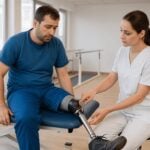
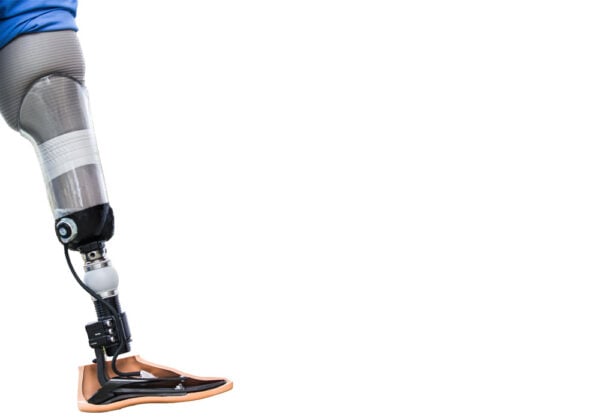
After amputation surgery, patients often prefer using a prosthesis to replace the missing arm or leg. By using a prosthesis that is suitable for your amputated limb, you can continue your daily life more comfortably. At the Luxmed Prosthetics Clinic, you have the opportunity to receive the most suitable prosthesis with the support of our expert team and modern technology. Our clinic also provides personalized support to ensure the proper fitting and effective use of your prosthesis.Post-Amputation Surgery Prosthetic Leg
At the same time, post-surgery prosthetic application is also important. Fitting a prosthesis suitable for the amputated limb can improve the patient’s quality of life and help them maintain their daily activities. Patients should receive detailed training on prosthesis use, and necessary adjustments should be made accordingly. Luxmed Prosthetics Clinic, which provides services to patients in need of prostheses, offers high-quality and custom-made prosthetic solutions. We provide our patients with the necessary support and training so they can use their prostheses in the best possible way. At Luxmed Prosthetics Clinic, patients can personalize their prostheses and enjoy a comfortable user experience.What Are the Levels of Amputation?
Amputation levels are terms used to define the location where a limb is surgically removed from the body. The levels of amputation are as follows:- Transtibial Amputation (Below-Knee Amputation): The leg is amputated below the knee. The kneecap is preserved and can be supported with a prosthesis.
- Transfemoral Amputation (Above-Knee Amputation): The leg is amputated above the knee. This type of amputation may result in greater loss of mobility, and prosthetic use can be more challenging.
- Transradial Amputation (Below-Elbow Amputation): The arm is amputated below the elbow. This level preserves the elbow joint and may provide better functional outcomes with a prosthesis.
- Transhumeral Amputation (Above-Elbow Amputation): The arm is amputated above the elbow. Since the elbow joint is not preserved, prosthetic use can be more difficult.
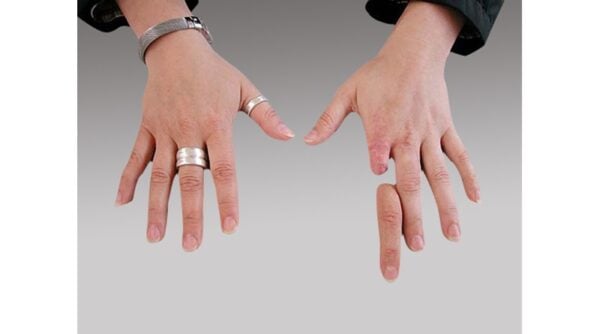
- Hand or Wrist Amputation: This refers to amputation at the wrist level or lower. These amputations require special attention, especially in terms of hand functionality and aesthetics.