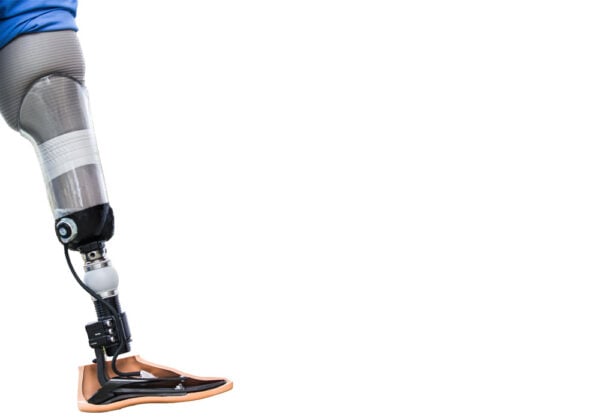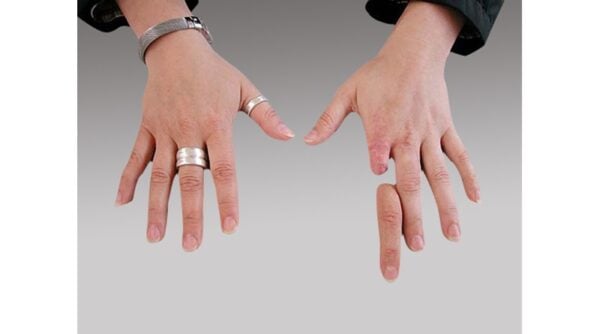
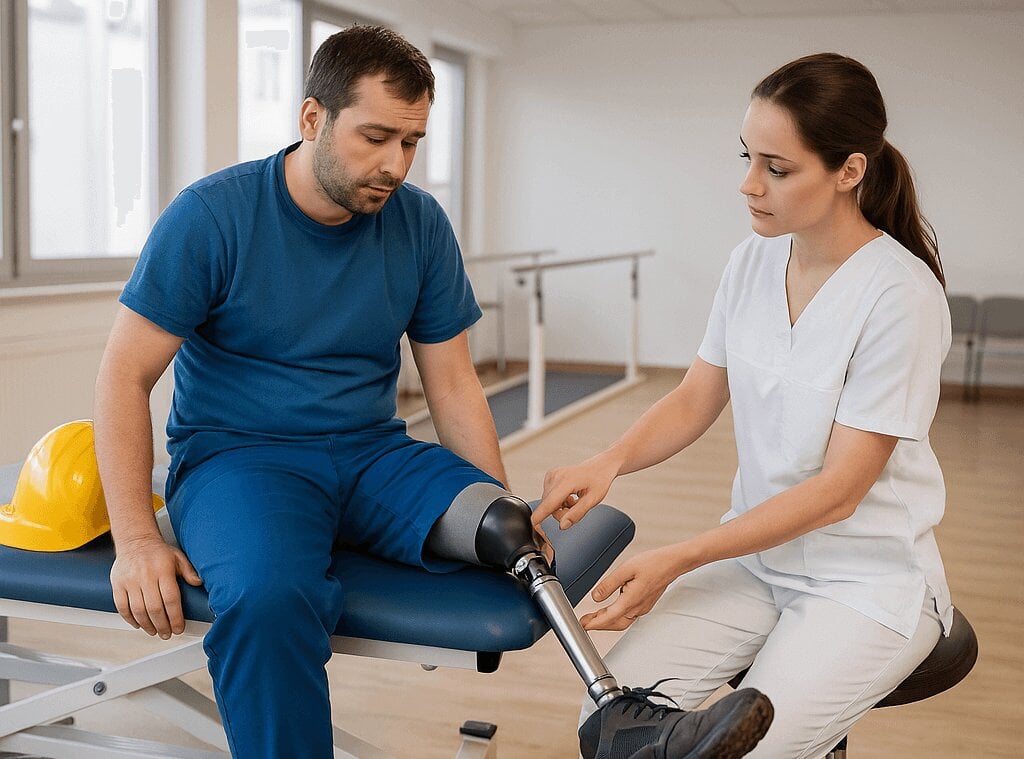
Work accidents can have severe consequences that can change life instantly. In particular, serious conditions such as limb loss have a major impact both physically and psychologically.
Work accidents can lead to severe consequences that may change a person’s life instantly. Especially serious situations such as limb loss can have a major impact both physically and psychologically. In this process, having knowledge about prosthetic needs, compensation procedures, social rights, and precedent court decisions can make life easier for the injured person.
In addition to the medical process, it is important for individuals who have experienced limb loss to receive support from specialist doctors and lawyers so they can properly and timely exercise their legal rights. So, what should be done during this challenging process? What rights do you have?
Table of Contents
Toggle1. What Is a Workplace Accident? When Is Limb Loss Considered a Workplace Accident?
According to the Turkish Labor Law, a workplace accident refers to injuries that occur in the workplace, during commuting, or while carrying out duties assigned by the employer. Limb loss is considered one of the severe workplace accidents within this scope.The Social Security Institution (SGK) determines the employee’s disability rate after a workplace accident and defines the related legal rights accordingly.
Source: (SGK Workplace Accident Definition and Rights)2. Compensation Rights After a Work Accident: What Is the Employer’s Responsibility?
In a work accident, the responsibilities of an employer found at fault are as follows:- Financial compensation: Prosthetic expenses, loss of income, care costs, etc.
- Non-pecuniary compensation: For psychological trauma and reduced quality of life
- Permanent disability pension from SGK: Individuals with more than 10% loss of working capacity are entitled to a lifetime pension
2.1. What Should Be Done After a Workplace Accident?
The following steps should be taken after a workplace accident:- First aid is provided and emergency medical services are called if necessary.
- The accident is reported: The employer and occupational safety specialist are informed, and a report must be submitted to the Social Security Institution (SGK) within 3 working days.
- An accident report is prepared and witnesses are officially documented.
- Medical treatment is provided: The injured person is transferred to a hospital and a medical report is obtained.
- Compensation rights: Applications are submitted for rights such as severance pay and disability compensation.
3. Precedent Work Accident Cases: What Do the Courts Say?
Notable precedent cases involving the need for prosthetics after work accidents:Example Case 1
In 2008, the plaintiff lost his arm after being electrocuted due to an electrical leakage near a transformer center belonging to the defendant company. As a result of the incident, the plaintiff’s left arm was completely amputated, and he suffered a permanent loss of working capacity of 57%. The worker was forced to use a prosthetic arm.Court Decision
The court determined that the defendant institution was 62.5% at fault for the work accident and awarded compensation due to the plaintiff’s loss of working capacity and prosthetic needs.Plaintiff’s Compensation
- Compensation for loss of working capacity
- Cost of the prosthetic arm
- Non-pecuniary compensation for the plaintiff, parents, and siblings
Example Case 2
In 2013, a 12-year-old child lost both arms above the elbows after coming into contact with a high-voltage power line belonging to the defendant institution while playing on the roof of his home. The child was required to use prosthetic arms for life, and the family had to provide continuous care support throughout the process.Court Decision
The court found the defendant institution 75% at fault and ruled that compensation must be paid.Plaintiff’s Compensation
- Compensation for incapacity to work
- Care expenses
- Non-pecuniary compensation for the child and parents
Example Case 3
In 2009, the plaintiff lost his left leg below the knee in a traffic accident. Due to the accident, the plaintiff was required to use a prosthetic leg and requested compensation to cover prosthetic and care expenses.Court Decision
The court ruled that the plaintiff had the right to claim prosthetic and treatment expenses from the insurance company.Plaintiff’s Compensation
- Cost of the prosthetic limb
- Care expenses
- Future prosthetic expenses are also the responsibility of the insurance company
Example Case 4
In 2009, the plaintiff lost his right arm and lost the use of the fingers on his left hand after being electrocuted due to a broken high-voltage power line.Court Decision
The court determined that the defendant institution was 80% at fault and ordered compensation to be paid.Plaintiff’s Compensation
- Temporary incapacity compensation
- Permanent incapacity compensation
- Cost of the prosthetic limb
- Non-pecuniary compensation
4. What Should Be Done to Claim Rights After a Work Accident?
The following steps should be taken immediately after the accident:- Report the situation immediately to the employer and SGK.
- Ensure that accident reports and official records are prepared.
- The work accident must be reported to SGK within 3 business days.
- Medical reports and treatment documents should be preserved.
- An “incapacity report” determining the degree of limb loss should be obtained.
4.1. How Is a Work Accident Reported?
- First Response: After the accident, first aid should be provided to the injured person, and emergency medical services should be called if necessary.
- Documenting the Accident: Record all details related to the accident, including the date, time, location, how the accident occurred, and its effects.
- Notification at the Workplace: The accident must immediately be reported to the authorized person at the workplace (employer or occupational safety specialist).
- Notification to SGK: The work accident must be reported to SGK no later than 3 business days from the date of the accident. The employer may do this through the SGK provincial directorate or electronically via the e-notification system.
- Medical Reporting: If the accident requires medical treatment, the injured person must be referred to a hospital for treatment. In addition, a medical report should be obtained.
- Accident Report: A work accident report should be prepared and submitted to the relevant departments of the injured person’s workplace.
4.2. How Is a Work Accident Record Prepared?
- Title: The document should include the title “Work Accident Report.”
- Accident Information: The date, time, and location of the accident should be specified.
- Victim Information: The names, surnames, and positions of the employees involved in the accident should be written.
- Accident Details: The way the accident occurred and its circumstances should be explained.
- Witnesses: The names, surnames, and duties of witnesses to the accident should be included.
- Measures Taken: Information regarding first aid and medical interventions provided after the accident should be added.
- Signatures: Signatures should be obtained from the injured person, witnesses, and authorized personnel.
5. Why Is It Important to Get Legal Support?
The compensation process can be technical and time-consuming. To avoid loss of rights, it is important to receive support from a lawyer experienced in work accidents. In some cases, the degree of fault may be calculated incorrectly, or the compensation amount may remain insufficient.5.1. What Happens If You Do Not Receive Proper Legal Support?
- Insufficient compensation: Applications made without a lawyer may prevent the plaintiff from receiving full compensation.
- Incorrect application procedures: Required documents and applications may be incomplete, causing delays in the legal process.
- Failure to fully calculate damages: Loss of working capacity and other damages may not be calculated correctly.
- Loss of time: Mistakes in the legal process may prolong the case.
- Insufficient presentation of evidence: Failure to submit evidence correctly and adequately may result in losing the case.
- Incorrect evaluation of fault rates: The employer’s degree of fault may be assessed incorrectly, reducing compensation.
- Inadequate prosthetic provision: A prosthetic suitable for the plaintiff’s needs may not be selected.
- Loss of non-pecuniary compensation: If emotional damages are not properly claimed, significant compensation losses may occur.