For individuals using below knee prostheses, comfort, stability, and skin health are factors that directly impact their daily quality of life. At the heart of these factors is the silicone liner (inner sock), which ensures the prosthesis's fit with the residual limb. Choosing the right silicone liner is critically important not only for enhancing the …
For individuals using below knee prostheses, comfort, stability, and skin health are factors that directly impact their daily quality of life. At the heart of these factors is the silicone liner (inner sock), which ensures the prosthesis’s fit with the residual limb. Choosing the right silicone liner is critically important not only for enhancing the functionality of the prosthesis but also for minimizing irritation and pain that may occur on the residual limb. So, how should one choose between the commonly used pin system and vacuum system silicone liners for below knee prostheses?
Table of Contents
ToggleWhat is a Silicone Liner and Why is it Important?
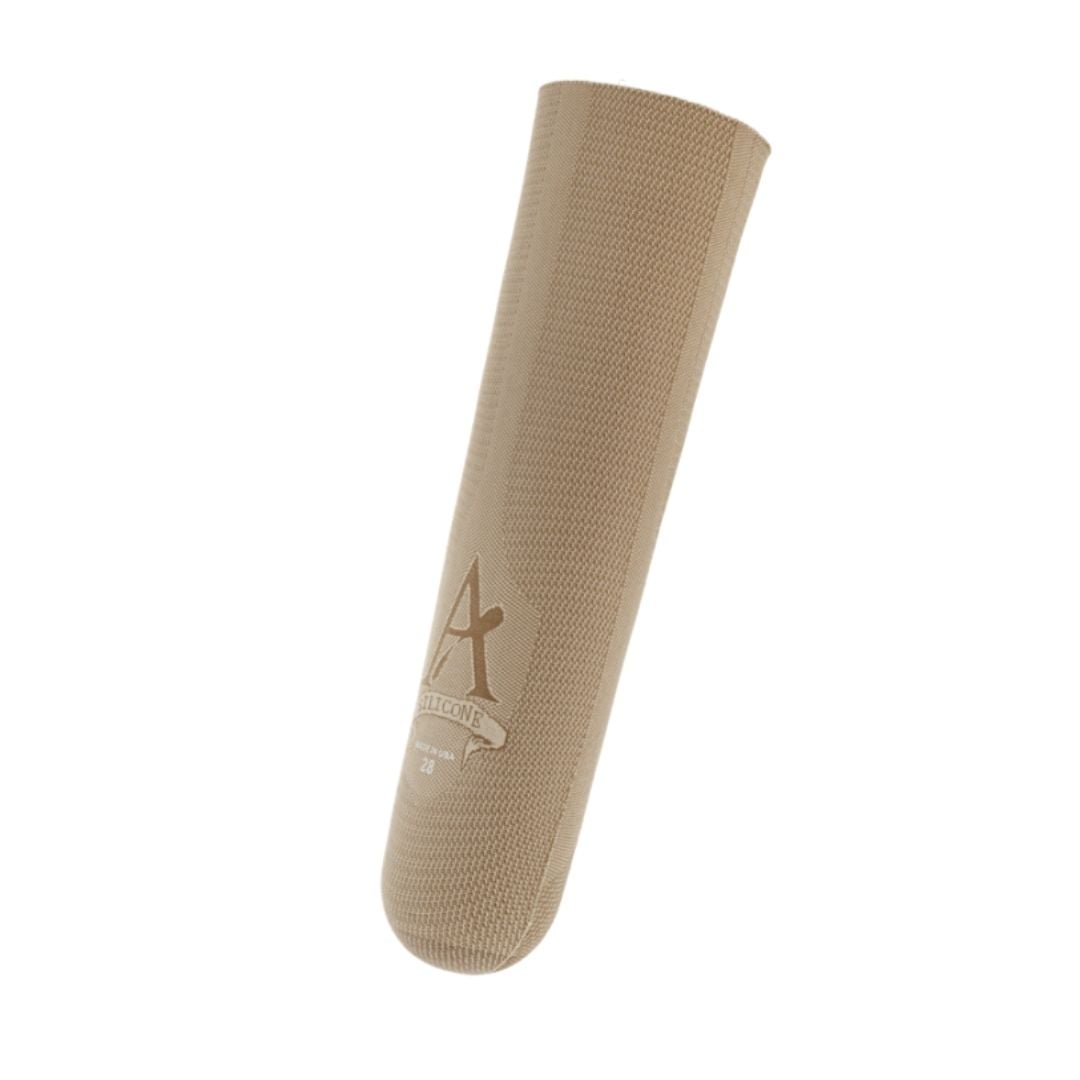
A silicone liner is a flexible inner sock, typically made of silicone or thermoplastic elastomer (TPE) material, that encases the residual limb of below knee prosthesis users. Its primary function is to create an interface between the residual limb and the prosthetic socket, reducing friction, evenly distributing pressure, and ensuring the prosthesis is securely attached to the residual limb. This protects the sensitive skin of the residual limb after amputation, increases comfort, and ensures the prosthesis remains stable during movement. Silicone liner selection plays a key role in the success of the prosthetic experience.
A quality silicone liner can provide some adaptation to fluctuations in residual limb volume, helping the prosthesis remain compatible for a longer period. Additionally, models with features for managing perspiration and inhibiting bacterial growth are available. These features are crucial for maintaining skin health and reducing the risk of potential infections.
Pin System Silicone Liners: Advantages and Disadvantages
Pin system silicone liners are a common method that uses a mechanical locking mechanism to secure the prosthesis to the residual limb. A pin located at the distal end (bottom part) of the liner locks into a receptacle at the bottom of the prosthetic socket, ensuring the prosthesis is securely attached to the residual limb. This system is particularly known for its ease of donning and doffing.
- Advantages:
- Easy Donning and Doffing: Users can quickly and practically put on and take off the prosthesis.
- Security and Stability: The locking of the pin provides a high sense of security by preventing the prosthesis from detaching from the residual limb.
- Cost-Effectiveness: Generally, they can be more affordable than vacuum systems.
- Disadvantages:
- Distal End Tension: A pulling and tension sensation may occur at the distal end of the residual limb in the pin area, which can cause discomfort for some users.
- Lack of Suspension: Provides less suspension (suction power) compared to vacuum systems, which can lead to less adaptation to changes in residual limb volume.
- Risk of Skin Irritation: Continuous friction or pressure in the pin area can cause skin irritation or pain.
Vacuum System Silicone Liners: Advantages and Disadvantages
Vacuum system silicone liners create negative pressure (vacuum) within the prosthetic socket, tightly securing the residual limb to the prosthesis. In this system, after the liner is donned on the residual limb and placed into the prosthetic socket, air inside the socket is expelled via a special valve or pump. The resulting vacuum provides full contact between the residual limb and the prosthesis, offering superior suspension and control.
- Advantages:
- Superior Suspension and Comfort: Provides full contact between the residual limb and the socket, distributing pressure more evenly, which means higher comfort and less pain.
- Better Proprioception: Due to the close contact between the residual limb and the prosthesis, users can feel and control their prosthesis better.
- Skin Health: Better manages fluctuations in residual limb volume and has a lower risk of skin irritation as there is no distal end tension.
- Residual Limb Volume Management: Vacuum can help reduce residual limb edema.
- Dezavantajları:
- Complex Donning Process: The steps of air evacuation and vacuum creation may require more attention and time compared to the pin system.
- Risk of Air Leakage: A small hole or leak that may occur in the socket or liner can lead to loss of vacuum and loosening of the prosthesis.
- Cost: Generally more expensive than pin systems.
- Maintenance Requirement: Regular maintenance of additional components such as the valve or pump may be required.
In the video below, you can find detailed information about silicone liner systems for below knee prostheses.
Which System is Right for You? Pin System or Vacuum System?
The most suitable silicone liner selection for below knee prosthesis users varies according to individual needs, lifestyle, residual limb condition, and activity level. Consulting in detail with a prosthetist or physiotherapist is of great importance when making this decision. Here are some factors to consider during the decision-making process:
- Activity Level: Individuals with high activity levels (such as athletes) may generally prefer vacuum systems that provide superior suspension and control. For those with lower activity levels or seeking easy donning and doffing, a pin system might be more suitable.
- Residual Limb Condition: If there is sensitivity, bony prominences, or volume fluctuations in the residual limb, the more even pressure distribution of the vacuum system can be advantageous. The distal end tension of the pin system can be problematic for some sensitive residual limbs.
- Comfort and Security Expectation: Those seeking maximum comfort and proprioception might consider a vacuum system, while those seeking practicality and a sense of mechanical security might prefer a pin system.
- Maintenance and Donning Ease: The ease of donning and doffing of the pin system can be an important factor, especially for elderly individuals or those with limited dexterity. The maintenance and donning process of the vacuum system may require more attention.
| Feature | Pin System Silicone Liner | Vacuum System Silicone Liner |
|---|---|---|
| Suspension | Moderate, tension may occur distally. | High level, full contact and even pressure distribution. |
| Donning Ease | High, fast and practical. | Moderate, requires air evacuation step. |
| Skin Health | Risk of distal irritation may occur. | Lower risk of irritation, can reduce residual limb edema. |
| Proprioception | Moderate level. | High level, better sense of control. |
| Cost | Generally more affordable. | Generally higher. |
Choosing the right prosthesis and liner after amputation surgery is an important part of the rehabilitation process. Our specialists will help you find the most suitable solution for your residual limb structure and lifestyle. You can contact our clinic for more information about our prosthetic leg options and silicone prosthesis solutions.
Silicone Liner Care and Long-Term Use
Regardless of the system, regular care of your silicone liner is vital for both hygiene and the product’s lifespan. To maintain the health of your residual limb skin and the functionality of the liner, you should pay attention to the following steps:
- Daily Cleaning: Wash your liner daily with lukewarm water and a pH-neutral soap. Rinse thoroughly and allow it to air dry. Avoid using a dryer or direct heat.
- Disinfection: Periodically (once or twice a week), you can use disinfectants recommended by your prosthetist.
- Skin Care: Wash and thoroughly dry your residual limb every day. Consult your doctor before using skin moisturizers or barrier creams.
- Damage Control: Regularly check your liner for tears, holes, or deformities. Even the smallest damage can lead to vacuum loss or problems with the pin system.
- Proper Storage: When not in use, keep the liner in a clean, dry place, away from direct sunlight.
By following these care recommendations, you can maintain the performance and hygiene of your silicone liner for a long time. Remember how important care is for all prostheses.
Expert Support in Choosing the Right Silicone Liner
Silicone liner selection for below knee prostheses is a personal process, and each individual’s needs are different. Therefore, collaborating with an experienced prosthetist or orthopedic surgeon is essential to make the right decision. Our specialists will evaluate the anatomical structure of your residual limb, consider your activity level and lifestyle, and thus help you determine the most suitable pin system or vacuum system silicone liner model for you.
Remember that a liner compatible with your prosthesis will not only increase your physical comfort but also your independence and freedom of movement in daily life. Do not hesitate to contact us for proper guidance before and after amputation surgery.
Frequently Asked Questions
The lifespan of a silicone liner varies depending on usage, care, and activity level. Generally, replacement every 6 months to 2 years is recommended. If you notice tears, thinning, loss of elasticity in the liner, or discomfort in the residual limb, you should consult your prosthetist to determine the replacement time.
While comfort varies from person to person, vacuum system liners generally offer higher comfort due to more even pressure distribution and better suspension between the residual limb and the socket. Pin systems can create a pulling sensation at the distal end but stand out for their ease of donning.
Although silicone allergy is rare, sensitivity to the material the liner is made from can develop. If you notice symptoms such as redness, itching, or rash on the skin, consult your prosthetist immediately. Your specialist may recommend a prosthetic inner sock made from different materials (e.g., TPE) or with hypoallergenic properties.
An air leak in a vacuum system liner can cause the prosthesis to loosen and lead to loss of control. First, ensure that the liner and socket are clean and dry, and that the valve is properly closed. If the problem persists, you should immediately contact your prosthetist, as there may be damage to the liner or socket.
The selection of a prosthetic inner sock (silicone liner) directly affects the fit of the prosthesis with the residual limb, user comfort, skin health, and the overall functionality of the prosthesis. Incorrect selection can lead to pain, irritation, wound formation, and improper functioning of the prosthesis, negatively impacting the quality of life. Therefore, making a personalized and correct choice is critically important.