Navigating the journey toward regaining upper limb mobility is a deeply personal and life-changing decision. When individuals begin exploring advanced options, understanding the exact bionic arm cost in Turkey 2026 becomes a primary point of interest. Turkey has rapidly established itself as a leading global hub for advanced medical technologies, orthotics, and prosthetics, welcoming international …
Navigating the journey toward regaining upper limb mobility is a deeply personal and life-changing decision. When individuals begin exploring advanced options, understanding the exact bionic arm cost in Turkey 2026 becomes a primary point of interest. Turkey has rapidly established itself as a leading global hub for advanced medical technologies, orthotics, and prosthetics, welcoming international and local patients alike who seek cutting-edge rehabilitation solutions without compromising on quality. The financial investment required for a state-of-the-art robotic limb involves multiple variables, ranging from the choice of microprocessor-controlled hand components to custom socket fabrication and personalized rehabilitation programs.
As technology evolves, modern bionic hands incorporate sophisticated multi-articulating fingers, neural pattern recognition, and robust myoelectric sensors that translate residual muscle signals into fluid, intuitive movements. At clinics like Luxmed Protez, our approach extends far beyond simply supplying a device; we focus on comprehensive clinical evaluations, precise socket fittings, and extensive physical therapy. Whether you are investigating options for a below-elbow or an above-elbow amputation, gaining a realistic, transparent view of pricing, technological tiers, and clinical milestones will help you plan your journey effectively and make an informed decision alongside your clinical team.
Table of Contents
TogglePrice-driving factors
When examining the overall financial landscape of upper limb prosthetics, several core variables dictate the final pricing structure. Understanding these cost drivers ensures that patients can budget accurately and choose components that align with their functional goals and daily lifestyle requirements.
Advanced engineering, high-grade lightweight materials, and specialized microprocessors heavily influence the market value of modern bionic devices. Furthermore, the inclusion of multi-axis rotation units, sensory feedback mechanisms, and customized interface designs directly impacts the total investment needed for a fully functional system.
Component Quality and Brand Selection
The choice of prosthetic manufacturers—such as Ottobock, Touch Bionics, or Ossur—plays a monumental role in determining the final expenditure. Premium global brands invest heavily in research, development, and software algorithms that offer superior dexterity, grip patterns, and durability. Selecting top-tier robotic components ensures higher reliability and smoother daily operations.
In addition to brand prestige, the specific model tier chosen by the user alters the overall budget. Entry-level myoelectric hands offer basic open-and-close functions, whereas advanced multi-articulating options feature individually motorized fingers capable of executing complex grip variations. Patients must weigh their vocational needs against these technological upgrades during their initial consultation.
Customization and Engineering Complexity
No two residual limbs are identical, meaning that every prosthetic system requires a high degree of custom manufacturing. The complexity of the anatomical structure, the presence of scar tissue, and the length of the residual limb dictate how intricate the manufacturing process must be. Tailored alignment and bespoke engineering ensure optimal comfort and force distribution.
Moreover, integrating advanced battery systems, Bluetooth connectivity modules, and custom aesthetic skin coverings adds specialized labor hours and material costs. Clinics utilize advanced 3D scanning and digital modeling to achieve a perfect anatomical match, which is a vital step highlighted in our general overview on Prosthetic Arm solutions.
Below-elbow and above-elbow systems
The level of amputation significantly dictates the anatomical mechanics and the specific engineering required to restore functionality. Whether a patient requires a transradial (below-elbow) or a transhumeral (above-elbow) configuration alters both the surgical considerations and the component requirements.
Treating different amputation levels requires specialized mechanical joints, such as motorized elbows or passive rotation units, which directly influence the complexity of the fitting procedure and the ultimate pricing scale of the complete package.
Transradial (Below-Elbow) Prosthetics
Transradial fittings are generally more straightforward because the user retains their natural elbow joint, which preserves a large portion of natural arm movement and simplifies the control mechanism. Myoelectric sensors placed inside the socket can easily detect forearm muscle contractions to operate the terminal device with remarkable precision.
Because the mechanical load and joint requirements are lower compared to higher amputations, below-elbow systems often feature streamlined designs. Patients frequently explore various configurations similar to those detailed in our comprehensive guide on Prosthetics options, comparing mechanical versus powered hands.
Transhumeral (Above-Elbow) Prosthetics
Above-elbow fittings require the integration of a motorized or locking prosthetic elbow joint alongside a bionic hand. Managing both elbow flexion and hand articulation simultaneously demands sophisticated microprocessor coordination and dual-site muscle signal processing.
The engineering challenge of balancing weight distribution across the shoulder and upper arm means that transhumeral systems involve specialized componentry. Consequently, the total investment for above-elbow bionic setups reflects the increased complexity of mechanical stabilization and power management required for daily use.
Multi-articulating hands
The advent of multi-articulating fingers has revolutionized the landscape of upper limb prosthetics, allowing users to perform intricate daily tasks that were once considered impossible with traditional split-hook or single-motor devices.
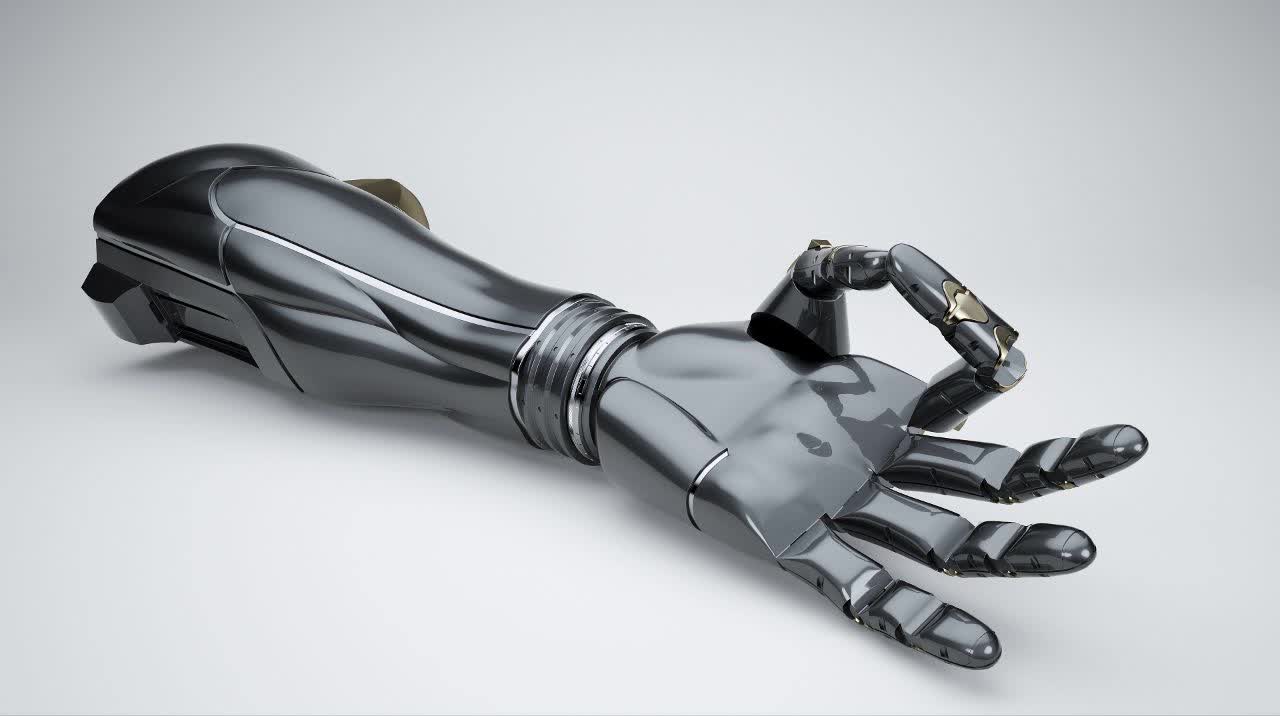
These sophisticated robotic hands feature independently driven digits, enabling multiple distinct grip patterns such as pinch, tripod, open palm, and pointing gestures, all controlled seamlessly through intuitive muscle contractions.
Technological Advancements in Grip Patterns
Modern multi-articulating bionic hands utilize micro-motors housed within each finger, allowing for proportional speed and grip force control. This means a user can gently hold an egg without crushing it or securely grasp a heavy tool without slipping. Software applications allow patients to pre-program and switch between favorite grips effortlessly.
As users adapt to these multi-grip capabilities, their independence in professional and domestic environments increases dramatically. For detailed technical specifications on advanced multi-articulating components, you can review industry-standard devices like the Ottobock Bebionic, which sets high benchmarks in functional design.
Impact on Daily Function and Quality of Life
Investing in a multi-articulating hand transforms how individuals interact with the world, facilitating typing, writing, preparing meals, and dressing independently. The psychological and social benefits of regaining a natural-looking, highly functional hand cannot be overstated.
Patients often report a significant boost in confidence as they resume social activities and demanding jobs. While the initial investment for multi-articulating technology is higher, the long-term gains in functional autonomy provide exceptional value for active individuals.
Socket and EMG setup
The interface between the human body and the robotic device is arguably the most critical element for successful bionic wear. A poorly fitting socket will cause discomfort, skin breakdown, and poor signal transmission from the muscles.
Electromyography (EMG) electrodes embedded within the socket walls must accurately detect subtle electrical impulses generated by residual muscle contractions, translating them instantly into digital commands for the bionic hand.
Advanced Socket Design and Materials
Modern prosthetic sockets utilize breathable carbon fiber composites, flexible silicone liners, and dynamic suspension mechanisms to secure the limb firmly while minimizing pressure points. Proper ventilation and moisture management are essential to prevent irritation during extended daily wear.
Clinicians conduct rigorous pressure-mapping tests during the fabrication phase to ensure an ergonomic fit. For those interested in learning more about supportive interface technologies and comfort management, our resource on Silicone Liner Selection for Below Knee Prostheses: Pin System vs. Vacuum System? A Comprehensive Guide offers valuable insights into comparable suspension and skin-care principles.
EMG Calibration and Signal Accuracy
Calibrating the electromyography sensors requires expert clinical tuning. Every patient has a unique muscle action potential, and software is utilized to filter out unwanted electrical noise while amplifying intended signals for wrist rotation, opening, and closing.
Fine-tuning this neuromuscular interface ensures zero lag time between the user’s intent and the prosthesis’s physical movement. Ongoing adjustments are often performed during early follow-up visits to optimize responsiveness as the patient’s muscle strength improves.
Training and follow-up
Acquiring a bionic arm is only the first phase of the rehabilitation journey; mastering its operation requires dedicated physical therapy and structured occupational training.
Specialized training protocols help patients relearn how to isolate specific muscle groups, interpret sensory feedback, and execute complex motor tasks with fluidity and confidence.
Structured Occupational Therapy Programs
Certified prosthetists and occupational therapists work hand-in-hand with patients through progressive rehabilitation modules. Initial sessions focus on basic calibration and muscle training games, advancing rapidly to physical manipulation of everyday objects.
This immersive training minimizes the learning curve and prevents compensatory body postures that could lead to back or shoulder strain. Patients are guided step-by-step until operating the bionic arm becomes second nature.
Long-Term Maintenance and Clinical Support
Long-term success relies heavily on periodic check-ups, software updates, and mechanical maintenance. Clinics provide ongoing technical support to ensure batteries, cables, and structural joints remain in pristine condition over years of active use.
Establishing a trusted relationship with your clinical team guarantees prompt assistance whenever adjustments or repairs are required, safeguarding your investment and continuous mobility.
International patient process
Turkey has become a preferred global destination for advanced prosthetic rehabilitation, drawing patients from Europe, the Middle East, North America, and beyond due to world-class clinical expertise, state-of-the-art facilities, and competitive pricing.
Navigating medical travel for prosthetic fitting requires seamless coordination, clear communication, and comprehensive patient care packages that cover everything from airport transfers to accommodation.
Streamlined Travel and Consultation Itinerary
International patients typically begin with an online consultation, sharing medical history, stump photographs, and video assessments so clinical specialists can formulate an accurate treatment plan and cost estimate before travel.
Upon arrival in Istanbul, dedicated coordinators manage local transportation, translation services, and scheduled appointments, ensuring a stress-free environment that allows patients to focus entirely on their fitting and rehabilitation.
Comprehensive Care Packages and Value
Prosthetic packages in Turkey often bundle device procurement, custom socket manufacturing, intensive physical therapy sessions, and post-fitting follow-ups into transparent pricing structures. This holistic approach delivers exceptional value compared to Western markets without sacrificing clinical excellence.
Patients ready to explore their options or schedule an initial evaluation can easily reach out to our team via the Contact page to begin planning their personalized journey toward restored mobility.
Frequently Asked Questions
The cost varies widely depending on whether you choose a basic myoelectric setup or an advanced multi-articulating robotic hand. Prices typically encompass the specialized components, custom carbon-fiber sockets, and structured rehabilitation training packages.
The complete fitting and training process usually requires between two to four weeks. This timeframe allows our clinical team to perform precise casting, custom socket fabrication, EMG sensor calibration, and intensive physical therapy sessions.
Multi-articulating hands can be fitted for both transradial (below-elbow) and transhumeral (above-elbow) amputations. The determining factor is the presence of adequate residual muscle signals to reliably operate the myoelectric sensors.
Routine maintenance includes annual clinical check-ups, software updates, battery health checks, and occasional socket adjustments as muscle volume changes. Regular upkeep ensures long-term durability and optimal responsiveness of your device.
Yes, our international patient coordinator team offers comprehensive support, including online pre-evaluations, airport transfers, translation services, and tailored accommodation guidance to ensure a seamless medical travel experience.
During your initial comprehensive consultation at our Istanbul clinic, our specialists evaluate your physical condition and demonstrate various bionic models. This allows you to test grip functions and select the exact technology suited to your lifestyle.