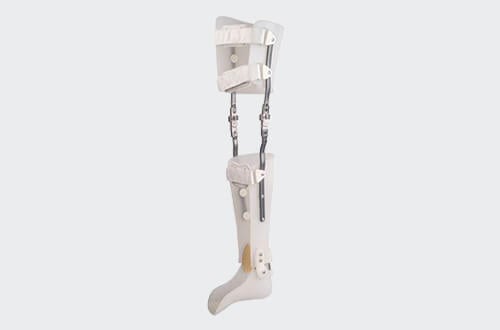
Navigating the financial landscape of specialized orthotic devices requires careful consideration of various medical, mechanical, and material factors. When looking into the KAFO brace cost in Turkey 2026, patients and families often find that Turkey has established itself as a leading global hub for advanced medical devices, custom orthoses, and comprehensive rehabilitation services. A Knee-Ankle-Foot …
Navigating the financial landscape of specialized orthotic devices requires careful consideration of various medical, mechanical, and material factors. When looking into the KAFO brace cost in Turkey 2026, patients and families often find that Turkey has established itself as a leading global hub for advanced medical devices, custom orthoses, and comprehensive rehabilitation services. A Knee-Ankle-Foot Orthosis, commonly known as a long leg brace, is prescribed for individuals experiencing significant lower limb weakness, paralysis, neurological conditions such as post-polio syndrome, incomplete spinal cord injuries, or severe muscular dystrophy. Understanding what influences these prices involves looking closely at custom fabrication processes, component choices, and ongoing clinical care.
At Luxmed Protez, we prioritize transparency and individualized clinical assessment to ensure that every patient receives the precise technological tier required for their mobility goals. Whether you are exploring traditional drop-lock models, lightweight carbon fiber constructions, or cutting-edge microprocessor-controlled electronic stance control systems, knowing the cost structure helps in making an informed decision. Furthermore, combining your long leg brace fitting with proper physical therapy guarantees optimal functional outcomes and long-term durability of your orthotic device. Below, we break down the pricing dynamics, mechanical variations, fabrication steps, and post-fitting care associated with modern KAFO solutions in Turkey for 2026.
Table of Contents
ToggleKAFO price structure
Evaluating the financial investment for a specialized long leg brace involves analyzing multiple components that contribute to the final invoice. Unlike off-the-shelf medical supplies, a professional KAFO is an entirely bespoke medical device tailored to the exact anatomical dimensions and neurological profile of the user.
Additionally, clinical consultations, plaster casting, diagnostic gait analysis, alignment adjustments, and trial fittings significantly influence the overall pricing structure in specialized clinics across Turkey.
Components of the Final Quote
The total price quote for a KAFO typically itemizes raw materials, mechanical joints, alignment hardware, and specialized footplates. High-grade materials such as pre-preg carbon fiber or medical-grade thermoplastics directly affect the baseline cost. Moreover, the complexity of the knee joint mechanism chosen by the orthotist plays a major role in determining the final expense.
Clinics also factor in the labor-intensive handcrafting and digital scanning or casting procedures required to achieve a snug, pressure-relieving fit. Understanding these itemized expenses helps patients anticipate financial requirements before committing to a specific treatment plan. For related insights on assistive technology investments, you can review our detailed overview on Prosthetic Leg Cost in Turkey 2026: Below-Knee, Above-Knee and Bionic Options to compare manufacturing standards and pricing models.
Role of Customization and Biomechanics
Every patient presents with unique muscle tone, joint contractures, alignment deviations, and functional aspirations. Customizing a brace to accommodate severe spasticity or angular deformities requires specialized orthotic engineering. This level of customization demands expert clinical hours and precision manufacturing.
Consequently, highly customized devices carrying dynamic alignment components require greater investment than standard symmetrical designs. The clinical team works diligently to balance structural integrity with comfort, ensuring that the financial commitment directly translates into superior stability and energy-efficient ambulation.
Comparison of Orthotic Technologies
To better understand how different systems compare in terms of cost, weight, and mechanical functionality, refer to the comparison table below, which outlines the primary categories available in clinical practice.
| KAFO System Type | Primary Material & Mechanism | Relative Cost Range |
|---|---|---|
| Standard Locked KAFO | Thermoplastic / Aluminum, Drop-Lock Joint | Economy / Moderate |
| Carbon Fiber KAFO | Carbon Composite, Spring-Loaded / Stance Control | High |
| Electronic Stance KAFO | Microprocessor, Sensor-Driven Hydraulic | Premium / Advanced |
As illustrated, technological sophistication directly correlates with the investment level, offering distinct advantages in energy expenditure and natural gait kinematics.
Standard locked systems
Traditional locked KAFO models have been the foundational standard in orthotic management for decades. These devices are designed to provide maximum stability by locking the knee joint in full extension during the stance phase of walking, preventing buckling and sudden knee flexion under load.
While they are mechanically simpler than electronic or advanced dynamic alternatives, they remain exceptionally reliable for patients with profound quadriceps weakness or minimal voluntary muscle control.
Drop-Lock Mechanisms and Function
The standard drop-lock mechanism is a simple, highly durable manual latch that drops into place when the knee is fully straightened, locking the joint securely. To sit down, the user manually lifts the ring or lever to release the lock and bend the knee. This mechanism is exceptionally sturdy, low-maintenance, and cost-effective, making it a popular choice for budget-conscious patients.
However, walking with a permanently locked knee requires a circumduction gait or hip hiking to clear the foot during the swing phase. While energy-consuming, it provides an uncompromising level of safety for individuals who cannot control their knee muscles independently.
Thermoplastic vs. Traditional Metal-Leather
Standard locked KAFOs are typically fabricated using either traditional metal-and-leather designs or modern thermoplastic shells. Thermoplastic designs wrap securely around the calf and thigh, distributing pressures evenly across a broader surface area and integrating smoothly with everyday footwear. Metal-and-leather designs offer excellent ventilation and adjustability for individuals experiencing significant volume fluctuations or severe edema.
The choice between these two structural styles depends heavily on skin sensitivity, thermal comfort preferences, and specific medical recommendations from your orthotist. To learn more about clinical options for lower limb support, visit our main category on KAFO – Long Walking Device.
Carbon fiber systems
Advances in material science have revolutionized orthotic manufacturing, introducing lightweight carbon fiber composites into modern KAFO designs. Carbon fiber offers an extraordinary strength-to-weight ratio, allowing patients to ambulate with significantly less fatigue compared to heavier traditional metal and plastic configurations.
These sleek, low-profile braces can often be worn discreetly beneath regular clothing, boosting user confidence and psychological well-being during daily social and professional activities.
Lightweight Dynamics and Energy Return
The inherent flexibility of carbon composite material allows for energy storage and release during the gait cycle. Unlike rigid thermoplastic shells, a well-calibrated carbon fiber framework can assist with forward propulsion and smooth transition from heel strike to toe-off. This dynamic response reduces the metabolic cost of walking, enabling users to cover longer distances without experiencing premature exhaustion.
Furthermore, the reduction in overall device mass drastically decreases the physical strain placed on the user’s hips and lower back, improving overall posture and endurance.
Aesthetics and Daily Usability
Bulky orthoses can sometimes pose challenges when selecting footwear or fitting into standard trousers. Carbon fiber KAFOs feature slender profiles that hug the contours of the leg precisely. This slim geometry allows users greater freedom in wardrobe choices and makes donning and doffing the device remarkably straightforward.
Though the initial investment for carbon fiber systems is higher due to advanced material processing and specialized manufacturing techniques, the long-term gains in comfort and mobility make them a highly sought-after option in Turkey.
Electronic stance control
Electronic stance control KAFOs represent the pinnacle of modern orthotic engineering, bridging the gap between passive bracing and active bionic mobility. These intelligent systems utilize integrated microprocessors, gyroscopes, and knee-angle sensors to monitor the user’s movement in real time.
By automatically locking the knee during stance phase to prevent falls and unlocking it freely during swing phase, electronic KAFOs allow for a remarkably natural, fluid walking pattern.
Microprocessor Technology and Safety
The core intelligence of an electronic KAFO lies in its onboard computer, which samples sensor data hundreds of times per second. If the sensor detects a stumble or an unstable foot placement, the microprocessor instantly engages hydraulic resistance to lock the knee joint, preventing a catastrophic fall. This dynamic responsiveness provides unprecedented peace of mind for active individuals navigating stairs, slopes, and uneven outdoor terrain.
Integrating such advanced microprocessors requires specialized calibration, software programming, and professional clinical training to match the device’s response curves to the user’s precise gait dynamics.
Comparing Electronic Braces to Hydraulic Knees
While electronic stance control KAFOs manage the entire lower limb alignment, similar microprocessor technology is frequently applied in prosthetic rehabilitation. If you are researching advanced knee mechanisms, our comprehensive guide on Microprocessor Knee vs Hydraulic Knee: What Is the Difference? provides valuable comparative technical insights into stance and swing phase control.
Investing in an electronic KAFO involves a substantial financial commitment, but the therapeutic benefits—such as reduced joint degeneration, improved cardiovascular health, and a more natural gait—justify the cost for eligible candidates.
Assessment and fabrication
Achieving a successful clinical outcome with any KAFO begins long before the device is manufactured. A thorough physical and biomechanical evaluation ensures that the prescribed orthosis addresses the specific root causes of instability and muscle weakness.
Skilled orthotists collaborate closely with physical therapists and physicians to design a device tailored to the patient’s exact functional potential and rehabilitation trajectory.
Clinical Evaluation and Casting
The fabrication process starts with a comprehensive physical examination assessing muscle strength, joint range of motion, spasticity levels, and postural alignment. Following this evaluation, the clinician captures a precise replica of the limb using either traditional plaster casting or advanced 3D optical scanning technology.
This digital or physical mold serves as the foundation upon which the custom orthosis is shaped. Any discrepancies or errors during this initial assessment phase can lead to pressure sores or improper alignment, making expert clinical oversight essential.
Fitting, Alignment, and Tuning
Once the initial test socket or framework is constructed, the patient undergoes a diagnostic fitting session. The orthotist evaluates alignment under weight-bearing conditions, checking for proper joint positioning, pressure distribution, and comfort. Adjustments are made iteratively until the user can stand and take initial steps safely.
For electronic systems, software parameters are calibrated during these sessions to fine-tune the locking and unlocking thresholds according to the user’s walking speed and stride characteristics.
Follow-up
Receiving your KAFO is only the beginning of your mobility journey. Comprehensive follow-up care, structured physical therapy, and periodic maintenance are vital to ensure the device remains safe, comfortable, and mechanically sound over years of daily use.
Working with an experienced clinical team ensures that minor adjustments can be made promptly as your strength, endurance, and gait patterns evolve.
Rehabilitation and Gait Training
Transitioning into a new long leg brace—especially advanced carbon or electronic models—requires targeted physical therapy. Specialized gait training helps users build core stability, master weight shifting, and develop confidence when navigating complex environments like curbs and inclines.
Therapists work on strengthening upper body muscles used for assistive devices such as crutches or walkers, ensuring a safe and independent ambulatory experience.
Maintenance and Long-Term Support
Orthotic devices experience considerable mechanical wear and tear due to daily weight-bearing activities. Regular maintenance check-ups allow clinicians to inspect mechanical joints, check strap integrity, and replace soft liners or padding as needed. Ensuring proper upkeep prevents unexpected malfunctions and extends the lifespan of your investment.
For personalized guidance regarding your specific orthotic needs, you can easily reach out to our specialists through our Contact page to schedule an initial consultation at our clinic in Turkey.
Frequently Asked Questions
The overall cost is influenced by the choice of materials such as carbon fiber or thermoplastic, the complexity of the knee joint mechanism (drop-lock vs. electronic microprocessor), and the level of clinical customization required. Comprehensive diagnostic assessments, professional fitting sessions, and follow-up rehabilitation also contribute to the investment.
Insurance coverage varies significantly depending on your provider, policy terms, and country of residence. While some private or national health insurances partially cover specialized orthotic devices, patients are advised to consult directly with their insurance carrier and our administrative team for detailed documentation and pre-authorization support.
The fabrication timeline typically ranges from 1 to 3 weeks, depending on the complexity of the device and whether you require a standard locked model or an advanced electronic stance control system. This period includes initial casting, trial fittings, alignment tuning, and final delivery.
Carbon fiber KAFOs offer an exceptional strength-to-weight ratio, making them significantly lighter and less fatiguing to wear throughout the day. Their slim, low-profile design also allows for better aesthetics and easier concealment beneath standard clothing compared to bulky metal-and-leather braces.
Yes, structured physical therapy is highly recommended to help you adapt to the new orthosis, improve balance, strengthen core and upper body muscles, and master safe walking techniques across various terrains.
It is recommended to have your KAFO inspected by a professional orthotist every 6 months to check joint alignment, mechanical wear, strap condition, and padding integrity, ensuring safe and comfortable ongoing use.