For many international patients, the journey toward mobility begins with a critical question: how long does it take to get a prosthetic leg in Turkey? Navigating the transition to a new limb requires precision, patience, and professional guidance. At Luxmed Protez, we prioritize a seamless experience that balances clinical accuracy with efficient delivery timelines. Understanding …
For many international patients, the journey toward mobility begins with a critical question: how long does it take to get a prosthetic leg in Turkey? Navigating the transition to a new limb requires precision, patience, and professional guidance. At Luxmed Protez, we prioritize a seamless experience that balances clinical accuracy with efficient delivery timelines. Understanding the stages of prosthetic rehabilitation—from initial assessment to final gait training—is essential for planning your medical travel effectively. This guide provides a comprehensive breakdown of the timeline you can expect when choosing Turkey for your prosthetic needs.
Table of Contents
ToggleThe Initial Assessment and Planning Phase
The foundation of a successful prosthetic outcome is the initial assessment. When you arrive in Istanbul, our clinical team begins with a thorough evaluation of your residual limb, overall health, and mobility goals. This phase is crucial for determining the most suitable technology, whether you require a basic mechanical solution or advanced bionic options. We perform a physical examination to check for skin integrity, range of motion, and muscle strength, which helps us tailor the design to your specific anatomy.
During this period, we also discuss your lifestyle requirements. Are you an active individual looking for high-performance components, or do you prioritize comfort for daily activities? By aligning our clinical expertise with your personal expectations, we ensure that the prosthetic leg fitting timeline in Turkey remains on track. This initial stage usually takes 2 to 3 days, allowing us to finalize the prescription and order any specialized components required for your build.
Clinical Evaluation and Measurements
The clinical evaluation involves detailed measurements of the residual limb. We use advanced scanning technology to capture the exact contours of your limb, ensuring the socket design is both comfortable and functional. This digital precision reduces the need for multiple adjustments later in the process.
Furthermore, we review your medical history and any previous surgical documentation. For those interested in learning more about the transition, our guide on before and after amputation surgery provides valuable insights into the preparation required before arriving at our clinic.
Selecting the Right Prosthetic Technology
Choosing the right components is a collaborative process. Whether you are considering an Ottobock C Leg 4 for stability or a lightweight carbon fiber foot, our experts guide you through the options. We ensure that the technology selected matches your activity level and long-term mobility goals.
Understanding the costs involved is also part of this phase. We recommend reviewing our detailed breakdown of Prosthetic Leg Cost in Turkey 2026 to ensure that your financial planning aligns with the technological choices you make during the consultation.
The Socket Fitting Process and Fabrication
The socket is the most critical part of your prosthesis, acting as the interface between your body and the device. The socket fitting process is where the true craftsmanship of our technicians comes to light. Once the measurements are taken, we create a diagnostic socket—a clear, test version of your final limb. This allows us to observe how your limb interacts with the socket under weight-bearing conditions and make real-time adjustments to ensure optimal comfort and suspension.
The fabrication process involves high-grade materials that provide both durability and comfort. We pay close attention to pressure points, ensuring the socket does not cause skin irritation or discomfort during prolonged use. For many patients, the choice between different suspension systems is vital; you can explore our resources on silicone liner selection for below knee prostheses to understand how these systems impact the overall fit and comfort of your device.
Diagnostic Socket Trials
The diagnostic phase is iterative. You will wear the test socket during your sessions, and our prosthetists will modify it based on your feedback. This ensures that when the final socket is produced, it fits like a glove, minimizing the risk of sores or instability.
We also verify the alignment of the prosthetic components during these trials. Proper alignment is essential for efficient energy expenditure, allowing you to walk with a natural, comfortable gait. These sessions are usually scheduled daily to ensure rapid progress.
Final Assembly and Adjustments
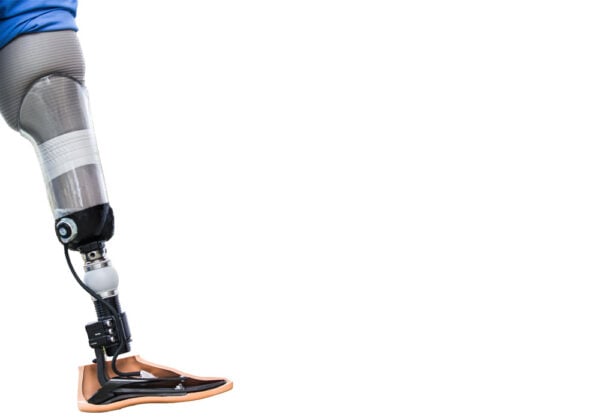
Once the diagnostic socket is perfected, we move to the final lamination of the definitive socket. This is the stage where all components, including the knee unit and foot, are integrated into the final structure. The final assembly is checked for structural integrity and alignment before being fitted to you for the final time.
We understand that the transition to a new leg is a significant life event. Our team remains dedicated to ensuring that every aspect of the device meets international quality standards, providing you with the confidence to move forward.
Gait Training and Final Delivery
Once the device is finalized, the focus shifts to gait training. Gait training in Istanbul is a core component of our rehabilitation program, designed to help you regain your independence and confidence. Our physiotherapists work with you to master the mechanics of your new leg, teaching you how to balance, walk on uneven surfaces, and navigate stairs safely. This training is essential for long-term comfort and avoiding compensatory movements that could lead to secondary injuries.
We believe that a prosthesis is not just a device, but a tool for living. The time spent in training ensures that you are fully prepared for your return home. Below, you can see a breakdown of the typical stages involved in your journey at our clinic.
| Process Stage | Estimated Duration |
|---|---|
| Initial Assessment | 2-3 Days |
| Socket Fitting & Trials | 5-7 Days |
| Final Fabrication | 3-5 Days |
| Gait Training | 3-7 Days |
You can find more information about our approach in the video below. In the following video, you can find detailed information about the gait training process and how our patients adapt to their new prosthetic legs: https://www.youtube.com/watch?v=aef21tkCfy4. We encourage all our patients to view this to better prepare for their rehabilitation journey.
Physical Therapy and Rehabilitation
Our rehabilitation program is customized to your specific needs, whether you have an above-knee or below-knee amputation. We focus on strengthening the core and residual limb muscles, which are vital for controlling the prosthesis effectively.
We also provide educational sessions on skin care and device maintenance. Knowing how to keep your skin healthy and how to check your prosthetic components for wear and tear is crucial for maintaining the longevity of your device.
Ensuring Long-Term Success
Before you depart, we conduct a final check to ensure everything is functioning perfectly. We provide you with a maintenance schedule and contact information for ongoing support. Even after you return to your home country, our team remains available for virtual consultations to address any concerns.
We are committed to your success. By following our structured process, we ensure that you receive the highest quality of care, allowing you to return to your daily activities with renewed freedom and mobility.
References
Frequently Asked Questions
Most international patients should plan for a stay of approximately 3 to 4 weeks. This duration allows enough time for the initial assessment, socket fabrication, multiple fitting sessions, and essential gait training.
While we strive for efficiency, the quality of the socket fit cannot be rushed. We follow a rigorous clinical process to ensure your comfort, which typically takes a minimum of 2-3 weeks to complete safely.
Yes, gait training is a vital part of our service. We believe that receiving the device is only half the journey, and learning to use it effectively is essential for your long-term success.
We provide comprehensive post-delivery support. If you experience any issues, our team is available for remote consultations to guide you through adjustments or coordinate with local professionals if necessary.
Yes, bringing your recent medical reports, surgical notes, and any existing prosthetic documentation is highly recommended. This helps our clinical team understand your history and provide the most accurate treatment plan.