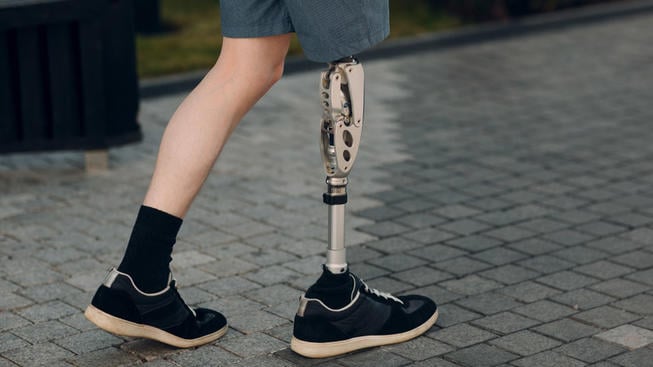
Living with a limb loss requires careful management of your prosthetic device to ensure comfort and mobility. One of the most significant challenges many users face is prosthetic leg socket pain, which can disrupt daily activities and impact overall quality of life. Understanding why your prosthetic socket hurts is the first step toward finding a …
Living with a limb loss requires careful management of your prosthetic device to ensure comfort and mobility. One of the most significant challenges many users face is prosthetic leg socket pain, which can disrupt daily activities and impact overall quality of life. Understanding why your prosthetic socket hurts is the first step toward finding a sustainable solution. At Luxmed Protez, we emphasize that a well-fitted socket should provide support without causing chronic discomfort or tissue damage.
When you first begin using a prosthesis, it is common to experience minor sensitivity as your body adjusts to the new interface. However, persistent pain, redness, or skin breakdown are not normal and should be addressed immediately by your clinical team. Whether you are using a silicone prosthesis or a high-tech bionic leg, the fit between your residual limb and the socket is crucial. In this guide, we explore the mechanical and physiological reasons behind discomfort and provide actionable advice to improve your daily experience.
Table of Contents
ToggleNormal pressure vs pain
Distinguishing between normal pressure and pathological pain is a fundamental skill for every prosthesis user. A properly fitted socket must exert some pressure to provide suspension and stability; however, this pressure should be evenly distributed across weight-bearing areas of the limb. If you feel sharp, stabbing, or burning sensations, this is a clear indication that the socket geometry may need adjustment.
In the video provided (https://www.youtube.com/watch?v=AAT5Z8K_FCI), you can find detailed information about the biomechanics of socket fit and how to identify early signs of discomfort. It is essential to monitor these sensations closely, especially during the initial stages of prosthetic use or after significant changes in activity levels.
Understanding Weight-Bearing Areas
The human limb is not designed to bear weight in the same way a foot does. Prosthetic sockets are engineered to distribute pressure onto specific, load-tolerant areas while avoiding sensitive bony prominences. When the socket is correctly designed, you should feel a sense of security and firm support rather than localized pinching.
If you experience pain in areas that are not typically load-bearing, such as the fibular head or the distal end of the bone, the socket may be placing excessive pressure on these sensitive spots. Regular check-ups with your prosthetist are necessary to ensure that your socket remains aligned with your unique anatomical structure as your limb changes over time.
The Role of Proper Alignment
Alignment is the process of adjusting the prosthetic components to ensure that your gait is natural and comfortable. Poor alignment can force your limb into awkward positions within the socket, leading to uneven pressure distribution. This often manifests as prosthetic leg socket pain during the stance phase of walking.
When the alignment is off, the socket may dig into the skin at the top or bottom of the limb. By adjusting the angle of the prosthetic foot or the position of the socket relative to the knee unit, your clinician can often resolve these issues. Always consult your specialist before attempting any DIY adjustments to your device settings.
Tight and loose socket signs
A socket that is either too tight or too loose can cause significant skin irritation and pain. A socket that is too tight often restricts blood flow and creates intense pressure points, while a socket that is too loose allows the limb to pistoning, leading to friction and shearing forces that damage the skin surface.
| Condition | Primary Symptom | Resulting Issue |
|---|---|---|
| Socket too tight | Restricted circulation | Deep tissue bruising |
| Socket too loose | Pistoning | Blisters and friction |
| Correct fit | Even pressure | Comfort and stability |
Maintaining the ideal fit requires consistent monitoring. If you notice that your prosthetic feels different throughout the day, it is likely due to natural fluctuations in your limb volume, which is a common occurrence for most amputees.
Managing Socket Tightness
If your prosthetic socket hurts because it is too tight, you might notice numbness, tingling, or skin discoloration shortly after putting it on. This is often caused by swelling or a change in muscle mass. In such cases, the socket no longer accommodates the volume of your limb correctly.
Clinicians often use socks or liners to manage these changes. However, if the tightness is persistent, the socket may need to be modified or replaced. Never ignore these signs, as prolonged pressure can lead to skin breakdown and infection, which may require you to stop using your prosthesis for several weeks to allow the skin to heal.
Addressing Socket Looseness
Conversely, when a socket is too loose, the limb moves excessively inside the device. This movement, known as pistoning, creates a vacuum effect that pulls on the skin, often resulting in painful blisters and abrasions. This is particularly common in the morning when the limb is at its most swollen state.
To manage this, many users utilize prosthetic socks to add volume and ensure a snug fit. It is important to add or remove these socks throughout the day as your limb volume decreases. If you find yourself needing more than 10-15 ply of socks, it is time to visit your clinic for a socket adjustment or a new casting session.
Residual limb volume changes
Your residual limb is a dynamic part of your body that changes volume throughout the day due to fluid retention, activity levels, and temperature. These fluctuations are the leading cause of fit-related pain. Understanding how to manage these changes is vital for maintaining comfort and preventing residual limb skin irritation.
For those interested in the long-term process, you can learn more about the prosthetic leg fitting timeline in Turkey to understand how your clinical team works to minimize these issues during the initial fitting and follow-up stages.
Daily Volume Fluctuations
In the morning, your limb is typically at its largest due to fluid accumulation during sleep. By the end of the day, activity and gravity cause this fluid to dissipate, causing the limb to shrink. This means that the socket that fit perfectly at 8:00 AM may feel loose by 5:00 PM.
To combat this, successful prosthesis users learn to adjust their sock ply systematically. By monitoring your comfort levels and checking your limb for redness, you can proactively manage these changes. If you are struggling with this, consider discussing advanced silicone liner selection for below knee prosthesis options with your prosthetist, as some systems are better at managing volume changes than others.
Long-term Changes and Atrophy
Over the months and years following amputation, your residual limb will undergo muscle atrophy and structural changes. This is a natural part of the healing and adaptation process. As your limb shape stabilizes, you will find that you need fewer adjustments, but a periodic refit is inevitable.
Regular communication with your clinical team is essential. If you notice a significant change in the fit that cannot be managed with socks, it is a clear sign that your socket needs to be adjusted or replaced to reflect your current anatomy, ensuring long-term health and comfort.
Skin warning signs
Your skin is the first line of defense and the best indicator of your socket’s health. Any persistent redness that does not fade within 20 minutes of removing the prosthesis is a warning sign. Ignoring these signs can lead to open wounds, which are difficult to treat and can lead to serious infections.
Practicing good residual limb care is essential. This includes daily washing with mild soap, thorough drying, and inspecting the skin for any signs of breakdown, such as blisters, calluses, or ingrown hairs. Always keep your skin hydrated to prevent cracking, but avoid applying heavy lotions right before putting on your prosthesis, as this can cause the liner to slip.
Identifying Early Irritation
Early signs of skin irritation often appear as localized redness or heat. If you notice these, take a break from wearing the prosthesis and inspect the inside of your socket for any debris or worn-out padding. Sometimes, a small wrinkle in your sock or a piece of grit in the liner can cause significant irritation over time.
If the irritation persists, do not try to “push through” the pain. Continued use of a poorly fitting socket will only exacerbate the issue. Instead, use a mirror to inspect the back of your limb, or ask a family member to help you check for areas that are difficult to see.
When to See a Doctor
If you notice open sores, pus, foul odors, or if the redness spreads and becomes painful to the touch, you must seek medical attention immediately. These are signs of a potential infection that requires professional treatment. Do not apply over-the-counter ointments to open wounds without consulting your physician.
Your clinical team is well-versed in managing these issues. They can provide guidance on wound care, adjust your socket to relieve pressure, or recommend a temporary break from the prosthesis to allow your skin to recover fully. Prioritizing your skin health is the best way to maintain your mobility in the long run.
When to stop and seek assessment
Knowing when to stop using your prosthesis is a sign of maturity and self-care. If you are experiencing sharp pain, numbness, or if you can see visible skin breakdown, it is time to stop wearing the device and schedule an assessment with your prosthetist. Continuing to walk on a painful socket can lead to secondary issues, including gait abnormalities and back pain.
At Luxmed Protez, we encourage our patients to be proactive. If you have questions about your current device or are looking for a consultation, you can visit our contact page to reach out to our expert team. We are here to help you regain your comfort and confidence.
The Importance of Professional Assessment
A professional assessment involves more than just looking at the skin. Your prosthetist will evaluate your gait, check the alignment of the prosthetic components, and perform a dynamic socket fit check. They may use specialized tools to measure pressure distribution and identify exactly where the socket is failing to support your limb.
Do not wait for the pain to become unbearable. Early intervention is almost always more effective and less time-consuming than treating advanced skin breakdown or structural issues. Your goal is to remain active, and a properly fitting socket is the key to achieving that goal.
Preparing for Your Clinical Visit
When you visit your clinic, be prepared to describe your pain in detail: where it is, what it feels like (burning, sharp, dull), and when it occurs (e.g., during the initial steps, after walking for an hour). Bringing your current socks and liners can also help the clinician understand how you are managing your fit.
By working closely with your clinical team, you can resolve most issues related to prosthetic leg socket pain. Remember that your comfort is a priority and that you deserve a prosthesis that allows you to live your life to the fullest without unnecessary discomfort.
References
Frequently Asked Questions
This is often caused by volume changes in your residual limb throughout the day. As your limb shrinks, the socket may become too loose, leading to friction and pressure in the wrong areas.
If the redness does not fade within 20 minutes of removing the prosthesis, you should stop wearing it and inspect your limb. If the redness persists or turns into a sore, contact your prosthetist for an adjustment.
You can use mild, fragrance-free lotions to keep your skin hydrated, but avoid applying them right before putting on your prosthesis. Excess lotion can cause the liner to slip and create a messy environment inside the socket.
You should change your socks whenever you feel the fit becoming loose. Many users carry a variety of ply thicknesses to adjust their fit throughout the day as their limb volume changes.
You likely need a new socket if you have experienced significant weight loss or gain, muscle atrophy, or if you consistently require a large number of socks to achieve a comfortable fit. A professional assessment will determine if a new socket is necessary.