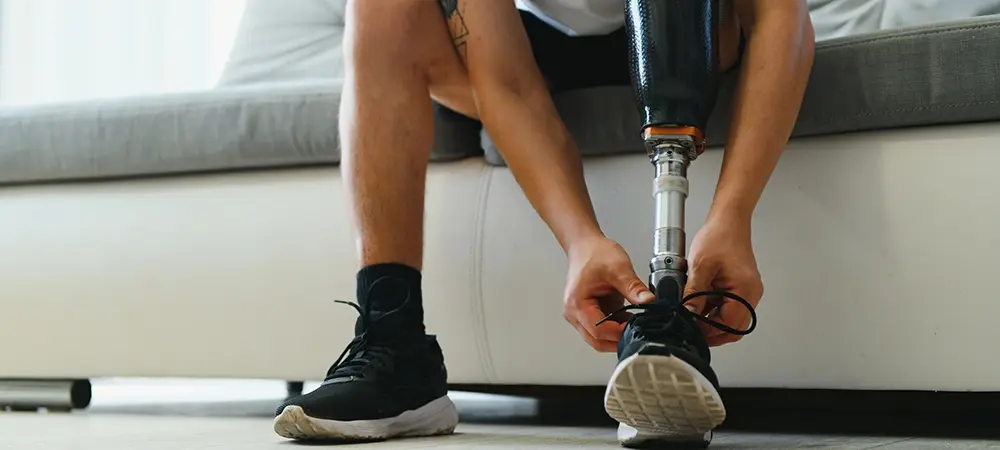
Amputation is a significant turning point in a person's life, and the transition to prosthetic use following this process requires careful preparation. The preparations made before starting to use a prosthesis after amputation encompass both physical and psychological adaptation. This comprehensive preparation process is vital for the comfortable and effective use of the prosthesis. As …
Prosthesis Preparation Process After Amputation
Amputation is a significant turning point in a person’s life, and the transition to prosthetic use following this process requires careful preparation. The preparations made before starting to use a prosthesis after amputation encompass both physical and psychological adaptation. This comprehensive preparation process is vital for the comfortable and effective use of the prosthesis. As Luxmed Prosthetics, we meticulously plan all necessary steps to help individuals adapt to their new lives after amputation and achieve maximum benefit from their prostheses.
Table of Contents
ToggleImportance of Prosthesis Preparation After Amputation
Preparation for a prosthesis after amputation is not just a physical recovery process, but also a comprehensive rehabilitation and adaptation journey. This process enables the individual to get used to their new body image, maintain stump health, and adapt to prosthetic use in the best possible way. Proper and early preparation minimizes potential complications, accelerates the return to daily life with a prosthesis, and improves quality of life. Success in prosthetic use after amputation largely depends on this preparation phase.
Physical Preparation: Stump Care and Strengthening
Physical preparation forms the foundation of prosthetic use after amputation. This stage aims for the stump to heal, shape, and strengthen. Good stump care reduces the risk of infection and ensures a more comfortable fit for the prosthesis. Stump massage and compression applications help control edema and assist the stump in taking on a conical shape suitable for the prosthesis. Additionally, strengthening the stump muscles and maintaining joint range of motion facilitates prosthetic control.
Stump Care and Hygiene
Stump care is an important part of daily routines. Keeping the stump skin clean and dry is critical for preventing infections and skin irritations. After wound healing is complete, the stump should be regularly washed with soap and water, thoroughly dried, and moisturized. Any signs such as redness, swelling, or pain that may occur on the stump should be carefully monitored and reported to your doctor.
Muscle Strengthening and Flexibility Exercises
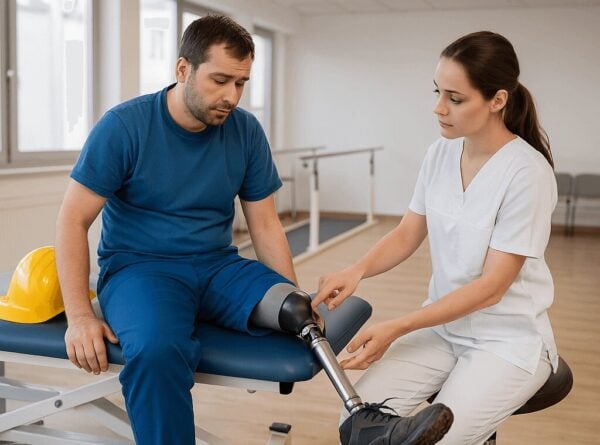
Special exercises performed with a physiotherapist strengthen the muscles around the stump and increase their flexibility. These exercises are vital for maintaining balance, controlling gait, and preventing falls when the prosthesis is worn. Strengthening abdominal and and back muscles also supports overall body posture. Your exercise program should be determined by specialists according to your individual needs.
| Preparation Step | Description | Benefit |
|---|---|---|
| Stump Cleaning | Gently wash and dry with soap and water every day. | Reduces infection risk. |
| Stump Massage | Massage to soften scar tissue and increase circulation. | Reduces sensitivity, improves circulation. |
| Compression Application | Use an elastic bandage or compression sock. | Controls edema, shapes the stump. |
| Exercises | Perform strengthening and flexibility exercises as recommended by a physiotherapist. | Increases muscle strength and prosthetic control. |
Psychological and Emotional Preparation
After amputation, an adaptation process occurs not only physically but also psychologically and emotionally. Feelings such as loss, grief, anger, depression, or anxiety may arise. Recognizing and managing these emotions is an important part of adapting to prosthetic use. Family and friend support, psychological counseling, or participation in support groups can be of great benefit during this process. Remember that these feelings are normal, and seeking professional support will help you make a stronger start to your new life.
Prosthesis Selection and Adaptation Process
The selection of the correct prosthesis should be determined individually according to the person’s lifestyle, activity level, and physical characteristics. During this process, prosthetic specialists, doctors, and physiotherapists work as a team. For example, the choice of a prosthetic leg or prosthetic arm differs according to the person’s needs. The design, material, and functionality of the prosthesis directly affect how comfortably you can perform your daily life activities.
Determining the Right Prosthesis
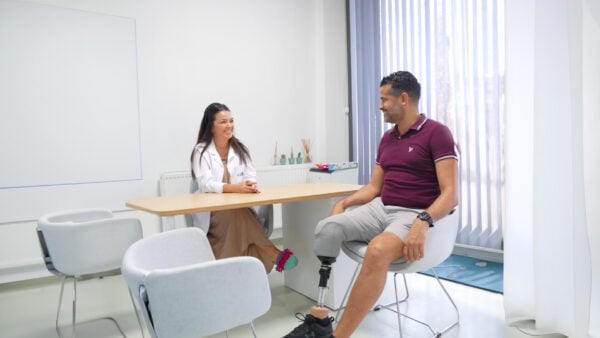
Prosthesis selection is made considering the individual’s amputation level, age, general health status, and goals. Modern prosthetic technologies offer a wide range for different needs. For example, a high-performance prosthesis may be preferred for an active sports person, while comfort and stability may be prioritized for a less active individual. You can get information about the most suitable prostheses for you by having a detailed consultation with your prosthetic specialist.
Prosthesis Application and Adjustments
The prosthesis is custom-made and adjusted to fit your stump perfectly. During the initial prosthesis application, detailed measurements are taken and trials are performed by the prosthetic specialist. A correct fit of the prosthesis is critically important to prevent problems such as pain or friction. Regular adjustments may be necessary even after you start using the prosthesis, so it is important to stay in constant communication with your specialist.
Rehabilitation and Adaptation
After the prosthesis is fitted, the rehabilitation process begins. This process involves learning to use the prosthesis correctly, regaining balance, and adapting to daily living activities. Physiotherapists guide you on everything from how to put on and take off your prosthesis, to how to walk or hold objects. This process requires patience and regular practice. In the video below, you can find detailed information about the rehabilitation process and adaptation to a prosthesis after amputation.
Long-Term Care and Support
Prosthetic use after amputation is a long-term commitment. Regular maintenance and checks of your prosthesis extend its performance and lifespan. Changes that may occur in the stump over time may require the prosthesis to be readjusted. Furthermore, just as in the pre- and post-amputation surgery process, regular doctor check-ups and psychological support are important for maintaining a healthy life. As Luxmed Prosthetics, we are always with you on this long journey.
References
Frequently Asked Questions
Why is stump care important after amputation?
Stump care is vital for preventing infections, maintaining skin health, and ensuring the stump takes on a shape suitable for the prosthesis. Regular cleaning, moisturizing, and massage support the stump’s healing process and increase prosthetic use comfort.
When should prosthetic use begin?
The timing for starting prosthetic use depends on the stump’s healing status and the individual’s general health condition. Generally, after wound healing is complete and edema is controlled, a temporary prosthesis application can begin with the evaluation of the doctor and prosthetic specialist. This process may vary from person to person.
How long does the adaptation process to a prosthesis take?
The adaptation process to a prosthesis varies from person to person, but generally can take from a few weeks to several months. During this process, physical therapy and rehabilitation exercises should be performed regularly, and continuous communication with the prosthetic specialist should be maintained. Patience and determination are key to the adaptation process.
What should I consider when choosing a prosthesis?
When choosing a prosthesis, factors such as amputation level, lifestyle, activity level, occupation, and personal goals should be considered. The prosthetic specialist will conduct a comprehensive evaluation to determine the most suitable prosthesis type and components for you. Comfort, functionality, and durability are important criteria.
Why is psychological support important after amputation?
Amputation can lead to significant psychological and emotional challenges for an individual. Receiving psychological support to cope with feelings such as grief, anxiety, and depression helps manage this process more healthily. Professional support aids the individual in adapting to their new life and improving their quality of life.