
Diabetes mellitus is a chronic metabolic disorder affecting millions of people worldwide. As a result of the body's inability to effectively use or produce enough insulin, consistently high blood sugar levels cause permanent damage to organs and tissues over time. The lower extremities are among the regions where this damage is most frequently seen and …
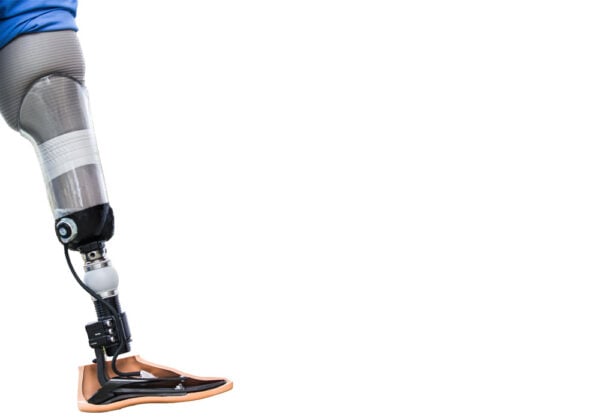
Diabetes mellitus is a chronic metabolic disorder affecting millions of people worldwide. As a result of the body’s inability to effectively use or produce enough insulin, consistently high blood sugar levels cause permanent damage to organs and tissues over time. The lower extremities are among the regions where this damage is most frequently seen and results in serious complications. Uncontrolled high blood sugar negatively affects a wide area, ranging from capillaries to nerve endings. This condition can ultimately lay the groundwork for unwanted surgical interventions such as диабет ампутация стопы.
Clinical experience and medical research show that protecting foot health in diabetic patients is of vital importance. Failing to notice a simple blister or a small wound can eventually turn into deep ulcers and gangrene that cannot be treated. While this process seriously reduces the patient’s quality of life, it necessitates a multidisciplinary approach. In this article, we will discuss in detail the devastating effects of diabetes on the feet, the mechanisms behind this process, and preventive approaches.
Table of Contents
ToggleHow does diabetes affect the foot?
The effects of diabetes on the body have a systemic character and manifest themselves especially in peripheral tissues. Long-term high blood sugar impairs the nutrition of cells and threatens tissue integrity.
The foot structure is one of the regions that bears body weight and is most exposed to external factors. In diabetic individuals, the anatomical and physiological balance of this region is disrupted.
The Effect of Metabolic Disorders on Tissues
High glucose levels accelerate the atherosclerosis process by disrupting the structure of vessel walls. This prevents sufficient oxygen and nutrients from reaching the tissues. This nutritional deficiency, starting at the cellular level, reduces the self-renewal capacity of tissues to a near-zero level.
Furthermore, it becomes difficult for immune system cells to migrate to the infection site. Even a small scratch cannot be repaired by the body and tends to become chronic.
Peripheral Nerve and Vascular System Damage
Metabolic disorders simultaneously destroy both nerves and vessels. This double blow creates the most vulnerable state of the feet. When nerves are damaged, the protective sensation of pain disappears; when vessels are blocked, the blood flow required for healing stops.
When these two mechanisms combine, even the simplest traumas become harbingers of major complications. Experts state that recognizing this picture at an early stage is of vital importance.
Neuropathy and loss of sensation
Diabetic neuropathy occurs as a result of the damage caused by long-term high blood sugar to nerve fibers. This condition, most commonly seen in the feet and legs, directly affects the patient’s life.
Disruption of nerve conduction leads to sensory deficits and muscle weaknesses, altering the foot structure.
Sensory Neuropathy and Absence of Pain
In patients who develop sensory neuropathy, the sensation of pain, temperature, and pressure is lost. While a normal individual notices a nail piercing their foot or a tight shoe by feeling pain, a patient with neuropathy cannot feel this.
This causes wounds forming inside the shoe to grow unnoticed for days. The patient can only realize the situation when the wound becomes infected, discharges, or emits an odor.
Motor Neuropathy and Foot Deformities
Motor neuropathy affects the nerves controlling the small muscles in the ankle and toes. Disruption of muscle balance leads to deformities such as claw toe, hammer toe, or Charcot joint.
These deformities abnormally increase the pressure placed on specific points of the foot during walking. The increased pressure lays the groundwork for subcutaneous bleeding in those areas and subsequent open wounds.
Vascular occlusion and circulation
Peripheral artery disease (PAD) is a condition frequently seen in diabetic patients, characterized by narrowing or blockages in the leg vessels. Circulatory disorders can make the healing of wounds impossible.
Inadequate blood flow causes tissues to remain oxygen-free and leads to necrosis, namely tissue death.
Peripheral Artery Disease and Symptoms
Vascular occlusion initially manifests itself as cramps and pain in the legs while walking (intermittent claudication). As the disease progresses, these pains continue even at rest.
Coldness in the feet, dryness in the skin, hair loss, and thickening of the nails are typical findings of circulatory disorders. If medical intervention is not performed at this stage, tissue loss becomes inevitable.
A region without adequate blood perfusion cannot be reached by antibiotics and immune cells either. Therefore, wounds become chronic and ulcerated.
Anatomy of Non-Healing Wounds
Doctors try to restore blood flow at this stage through vessel-opening operations such as angiography or stents. However, the vascular structure may not be suitable for this intervention in every case.
Foot wound and infection
Diabetic foot ulcers are wounds that emerge with the disruption of skin integrity and tend to progress into deep tissues. The addition of infection increases the severity of the picture.
The table below compares the basic clinical characteristics of a healthy foot and a diabetic foot:
| Criterion | Healthy Foot | Diabetic Foot |
|---|---|---|
| Sensory Sensitivity | Normal (Pain and temperature are felt) | Reduced or Absent (Due to neuropathy) |
| Blood Circulation | Sufficient and uninterrupted | Risky (Vascular occlusion may be seen) |
| Wound Healing Speed | Fast and trouble-free | Slow, prone to becoming chronic |
Ulcer Development Process
Small blisters forming on the pressure points of the sole of the foot can burst and turn into open wounds. Although these wounds look innocent from the outside, they may have progressed deep down to the bone tissue.
Patients need to receive professional support during this process, similar to the principles of stump health or wound care. Wounds that are not intervened early deepen rapidly.
Osteomyelitis and Spread Risk
Bacteria entering through the wounds can reach the bone from under the skin, leading to osteomyelitis, which is bone inflammation. The infection of bone tissue is a stubborn condition that makes its treatment quite difficult.
If the infection ceases to be local and mixes with the blood, a sepsis picture can develop. At this stage, expanding surgical borders may be necessary to save a life.
When does the risk of amputation increase?
The decision for amputation is taken as a last resort in cases where conservative treatments yield no results and tissue destruction cannot be stopped. The coming together of risk factors accelerates this process.
Previously experienced foot wounds or previously performed partial amputations are important factors increasing the risk of new loss.
Gangrene and Tissue Death
Cells die in tissues where blood flow completely stops, and gangrene develops. In the case of wet gangrene, bacterial infection spreads rapidly, and the tissue turns black and decays.
Surgical intervention is essential at this stage to prevent the infection from spreading to healthy tissues. Dead tissue is removed via surgery.
Reducing risk through specialist follow-up
The most effective way to prevent foot amputation in diabetic patients is proactive approaches and regular medical follow-up. Daily care habits save lives.
A multidisciplinary teamwork plays a key role in preserving foot health.
Daily Foot Care and Inspection
Patients should wash their feet with warm water and soap every day and dry them thoroughly. Especially remaining damp between the toes lays the groundwork for fungal infections.
Feet should be checked every day with the help of a mirror or with the support of a relative; it should be checked whether there are cuts, redness, or swelling. Walking barefoot should be strictly avoided.
Shoes specially produced for diabetic patients, seamless and with soft soles, should be used. Special insoles balancing pressure distribution should be preferred.
Correct Shoes and Orthopedic Supports
Specialists can be consulted regarding orthopedic supports such as long leg braces (KAFO) when necessary. Regular doctor controls are the biggest guarantee in preventing complications.
Frequently Asked Questions
High blood sugar damages nerve endings over time, leading to loss of sensation (neuropathy), and clogs blood vessels, disrupting blood circulation. Unfelt minor traumas and undernourished tissues easily turn into open wounds.
No, not every wound results in amputation. With early diagnosis, proper wound care, antibiotic therapy, and interventional procedures regulating blood flow, many patients’ feet are successfully saved.
Since pain cannot be felt due to neuropathy, patients must carefully examine their feet every day. Blood stains on socks, bad odor, discharge, or color change in the skin are among the most important symptoms of the wound.
Yes, in vascular occlusions due to peripheral artery disease, blood flow can be restored via angioplasty, balloon, stent, or bypass surgeries. This procedure greatly increases the chance of the wound healing.
Feet should be washed and dried every day, not left damp, and checked with a mirror. Walking barefoot must never be done, and tight or stitched shoes should not be worn.
Gangrene is the condition where tissue dies due to lack of blood supply and requires urgent surgical intervention. Cleaning the dead tissue or performing a level amputation if necessary is mandatory to prevent the infection from spreading to the body.