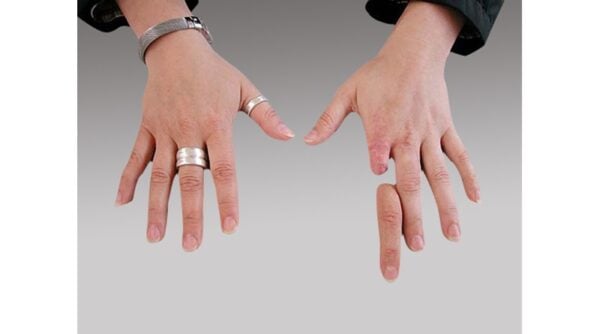
Following an amputation or congenital differences, choosing the right prosthesis is a critical step for individuals to adapt to their daily lives. The question of how to choose a first prosthetic arm requires evaluating many different parameters together, such as the patient's clinical condition, daily living activities, expectations, and anatomical structure. As technology advances, a …
Following an amputation or congenital differences, choosing the right prosthesis is a critical step for individuals to adapt to their daily lives. The question of how to choose a first prosthetic arm requires evaluating many different parameters together, such as the patient’s clinical condition, daily living activities, expectations, and anatomical structure. As technology advances, a wide range of solutions is offered, from passive aesthetic options to highly functional bionic systems. In the evaluations we conduct at our clinic, we prioritize the individual needs of patients to determine the most suitable device. The right decision both accelerates psychological adjustment and directly affects the success of the long-term rehabilitation process.
When making a decision in the world of prosthetic technologies, it is essential to balance factors such as mechanical durability, weight distribution, ease of use, and aesthetic appearance. The process can seem complex, especially for individuals using a prosthesis for the first time; therefore, it is necessary to examine the advantages and disadvantages of each system in detail. Alternatives offered in the prosthetic arm category today include special solutions for every level of amputation. In this guide, we will seek comprehensive answers to how to choose a first prosthetic arm and discuss technological options in detail.
Table of Contents
ToggleCosmetic systems
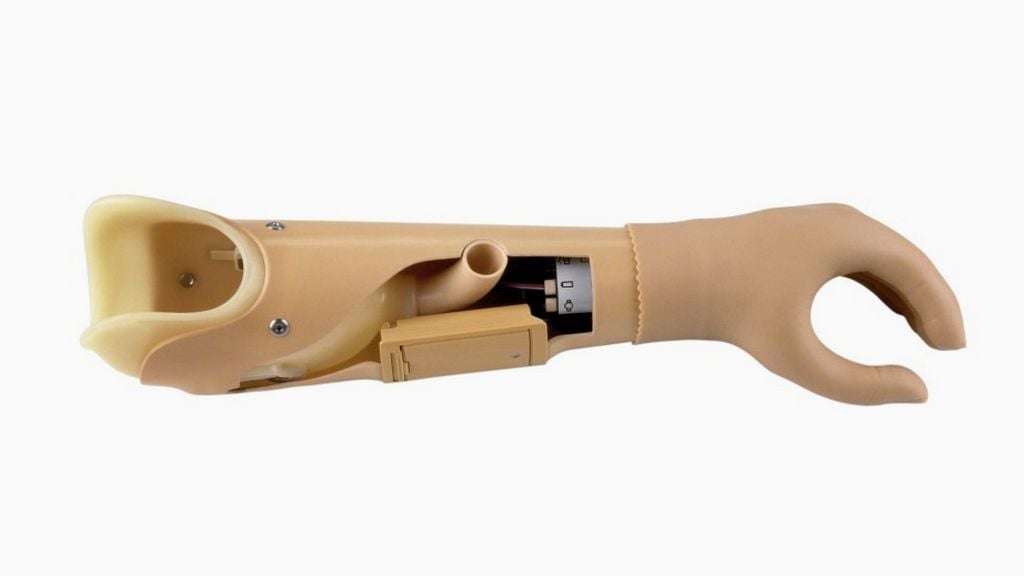
Cosmetic prosthetic arms, as the name suggests, are primarily designed to address aesthetic concerns and support a natural appearance. These systems may lack moving components or have extremely limited passive mechanisms. Among individuals with aesthetic priorities during the process of how to choose a first prosthetic arm, cosmetic prostheses are frequently among the first alternatives evaluated.
Cosmetic hand and arm solutions are produced with silicone coverings that can be customized to match the individual’s skin tone, hair structure, and even vein details. Thus, they play a major role in regaining self-confidence in social life. However, for users with high functional expectations, these systems may not be sufficient on their own.
Aesthetic Advantages of Passive Prostheses
Passive cosmetic prostheses have a realistic appearance that is almost indistinguishable from a natural limb when viewed from the outside. Thanks to advancements in silicone technology, nail details, pigmentation, and skin texture can be closely mimicked. This allows the individual to feel more comfortable, especially in social interactions and crowded environments.
In addition, the weight of these systems is generally very low and they do not contain complex mechanical or electronic parts. Their maintenance is quite easy and the risk of malfunction is extremely low, which offers practicality in long-term use.
Functional Limitations of Cosmetic Systems
Aesthetic superior cosmetic prostheses cannot perform physical functions such as active gripping or carrying objects. They are generally used as a supporting limb or to balance light objects. While seeking an answer to how to choose a first prosthetic arm, it must be questioned whether the user expects an active role in their daily chores.
If the individual’s profession or daily routine requires intensive hand use, a completely cosmetic system can be disappointing. Therefore, during the clinical evaluation phase, the patient’s expectations and the device’s capabilities must be carefully balanced.
Mechanical systems
Mechanical prosthetic arm systems operate with cable mechanisms directed by body movements (such as shoulder or torso movements). These systems allow the user to open and close the fingers using the strength of their own musculoskeletal system. Thanks to their durable structure, they can be an ideal choice for individuals working in heavy jobs or environments where electronic components may be risky.
Mechanical arms stand out by not requiring batteries and showing high resistance to external factors. In the evaluation of how to choose a first prosthetic arm, mechanical options constitute an important alternative for users seeking practicality and reliability.
Body-Powered Control Cable Systems
In body-powered mechanical prostheses, special strap and cable systems attached to the torso or shoulders are used. When the user moves their shoulder forward or brings their shoulder blades closer together, this tension is transmitted via the cable to the terminal device (hook or mechanical hand) to achieve a grip.
This system provides the user with a direct sense of mechanical feedback (proprioception) over objects. In other words, the hardness of the object or gripping force can be felt thanks to the resistance in the cable, which provides an advantage in precise grips.
Durability and Low Maintenance Cost
Since mechanical prosthetic arms do not contain electronic components, they are minimally affected by water, dust, or impacts. For individuals working in harsh working conditions or spending time outdoors, this durability creates a huge plus.
Having few maintenance requirements and no need for battery charging offers uninterrupted freedom to the user. In the decision of how to choose a first prosthetic arm, budget and ease of maintenance are also considered important criteria.
Myoelectric control
Myoelectric arm systems work through electrodes that detect the electrical signals generated during the contraction of the muscles remaining on the residual limb. These signals are processed by microchips and transmitted as movement commands to the fingers of the prosthetic hand. As one of the most important innovations brought by modern technology, this system allows the user to catch a natural flow with thought and muscle power.
Although myoelectric control technology requires special rehabilitation during the user’s adaptation process, it stands out with the functional richness it provides. You can review the details and diverging aspects of these technologies in our article titled What is the Difference Between a Bionic Arm and a Myoelectric Arm?
Detection of Muscle Signals and Electrode Technology
The heart of myoelectric prostheses consists of sensitive electrodes touching the skin surface of the residual limb and software that filters these signals. The millivolt-level electrical current generated when the user flexes their muscle is captured by sensors. Depending on the intensity of this current, the prosthesis can make a fast or slow, strong or weak grip.
For this system to work efficiently, it is essential to identify the correct muscle groups and receive signal control training accompanied by physiotherapy. At the stage of how to choose a first prosthetic arm, the potential of muscle strength is determined by clinical tests.
Multiple Grip Modes and Daily Integration
Advanced myoelectric systems allow the user to switch to different hand positions (holding a pen, gripping a cup, squeezing, etc.). This maximizes the level of independence in daily home and work life.
After a short acclimatization phase, users can make these complex commands a reflex and start using their hands quite fluently.
Bionic hand options
Bionic hand options incorporate high technology with multi-joint movements, independent operation of each finger, and artificial intelligence-supported gripping algorithms. These devices are designed to mimic the complex biomechanical movements of the human hand at the highest level. Advanced models like the Ottobock Bebionic provide users with unique dexterity in daily life.
In the process of how to choose a first prosthetic arm, bionic technologies represent the peak for active individuals seeking the highest functionality. However, the cost and weight of these systems may vary compared to standard solutions.
Independent Finger Movements and Precise Grip
The biggest advantage of bionic hands is that each finger has its own motor and can move independently. Thus, objects can be grasped in a wide range, from delicate tasks like holding an egg to carrying a heavy bag.
Artificial intelligence algorithms can detect when an object starts slipping, automatically increasing grip strength and preventing drops.
High Technology and User Profile Compatibility
Bionic systems yield excellent results for individuals who are tech-savvy, open to learning, and willing to complete an intensive rehabilitation program. Thanks to the versatile modes offered by the device, users can maintain their hobbies and easily perform professional activities.
In the evaluations made in our clinic, the muscle capacity and expectations of bionic hand candidates are meticulously analyzed to plan the most accurate model selection.
Weight and training
In prosthetic arm selection, the weight of the device and the rehabilitation training the user will receive are the two most fundamental pillars of success. Incorrect weight distribution can lead to neck and shoulder pain, making the device impossible to use. Therefore, when discussing how to choose a first prosthetic arm, not only mechanical features but also ergonomics and comfort must be kept at the forefront.
The training process is of vital importance in terms of the new limb being adopted by the brain (neuromuscular adaptation). Exercises performed with expert physiotherapists ensure full use of the device’s potential.
Ergonomics and Residual Limb Health Balance
The weight of the prosthetic arm must be compatible with the carrying capacity of the residual limb. Heavy devices can cause muscle fatigue and posture disorders during long-term use. Lightweight carbon fiber materials and special socket designs keep weight in balance and increase comfort.
Socket fit also plays a critical role at this stage; just like in the topic of Why Does a Prosthetic Leg Socket Hurt? Fit Issues and Things to Consider, socket comfort is essential for all-day use in arm prostheses.
Rehabilitation and Gaining Usage Habits
Perfect use should not be expected immediately after the prosthesis is fitted. It takes a certain amount of time for the brain to perceive the new limb and optimize muscle signals. Regular physiotherapy sessions, balance studies, and object holding practices speed up this process.
Work carried out under the guidance of the rehabilitation team makes it easier for the individual to adapt to social and business life in a short time.
Selection based on goals
Every user’s lifestyle, occupation, age, and expectations are different. Therefore, there is no single correct answer to the question of how to choose a first prosthetic arm; the selection must be shaped entirely according to the individual’s daily life goals. The priorities of an active athlete and a retired individual leading a quiet life at home cannot be the same.
Thanks to the personalized approach applied in our clinic, the patient’s social life is analyzed and the most accurate technological infrastructure is determined.
Daily Living Activities and Expectation Analysis
Which activities the user performs most during the day (computer use, kitchen chores, outdoor sports, etc.) is the most important guide in determining the type of prosthesis. Devices chosen without a needs analysis are usually left unused after a while.
Our experts map out the patient’s daily routine and offer the most functional combination.
The Importance of the Right Prosthetic Center
A prosthesis is not just a product, but a long-term clinical service. Choosing the right center ensures that technical support, maintenance, repair, and revision processes are carried out safely. You can find the details you need to pay attention to in this regard in our article What to Consider When Choosing a Prosthetic Center?
An experienced staff will guide you through the process of how to choose a first prosthetic arm and allow you to make the right investment.
Frequently Asked Questions
In the initial selection, the user’s muscle strength, daily activities, and expectations are evaluated. Systems that are generally lightweight, easy to use, and have a short adaptation process are preferred for beginners.
While myoelectric arms perform basic gripping movements with muscle signals, bionic arms are advanced systems where each finger can work independently and have AI-supported multi-modes.
Although the adaptation process varies from person to person, meaningful usage skill is usually gained within a few weeks to a few months with regular physiotherapy and practice.
Cosmetic prostheses are designed primarily to support an aesthetic appearance. Since they do not have active gripping features, they are not suitable for heavy or detailed work.
Yes, heavy devices that are not suitable for residual limb capacity can lead to muscle fatigue and pain in the shoulder and neck region. Therefore, proper weight balance is very important.
You should make a clinical evaluation appointment to meet with physical therapy specialists and orthotics-prosthetics technicians, and share your daily life habits in detail.